
Top 7 Must-Visit Destinations in Central Vietnam
If you read the previous post: Top 7 Must-Visit Destinations in Northern Vietnam and are wondering what heading southward has to offer, read on. If you’re here on Earth Life Writer for the first time, then feel free to give that one a read, too.
Vietnam’s four regions have so much to offer that one list would be far too long. So here is the second edition of Must-Visit Destinations in Vietnam, which focuses on the central region.
Let’s get started.
1. Da Nang
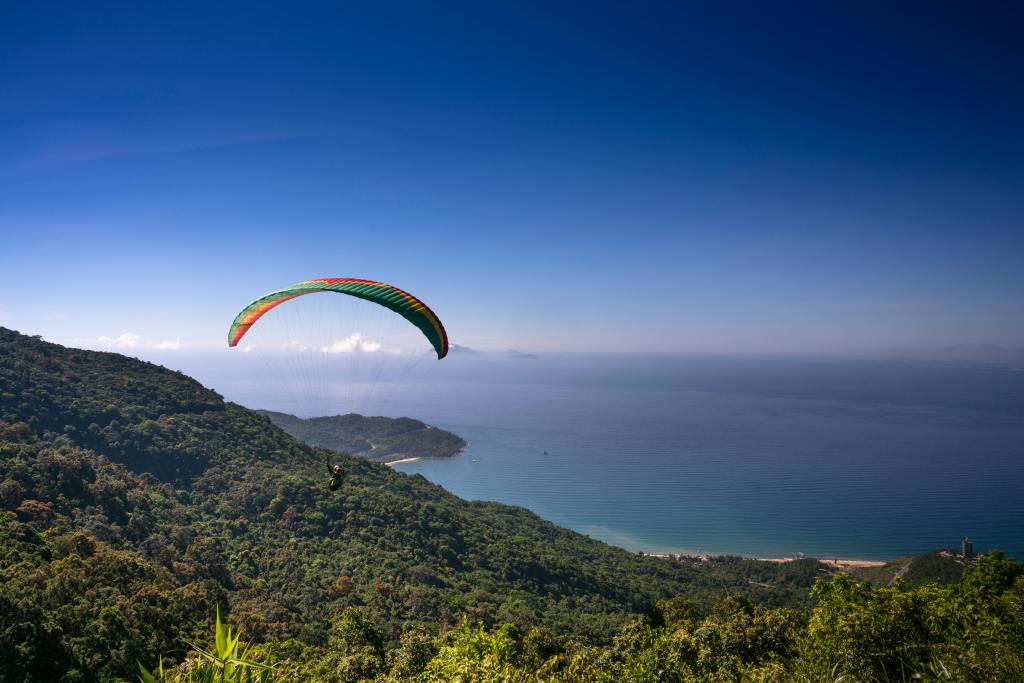
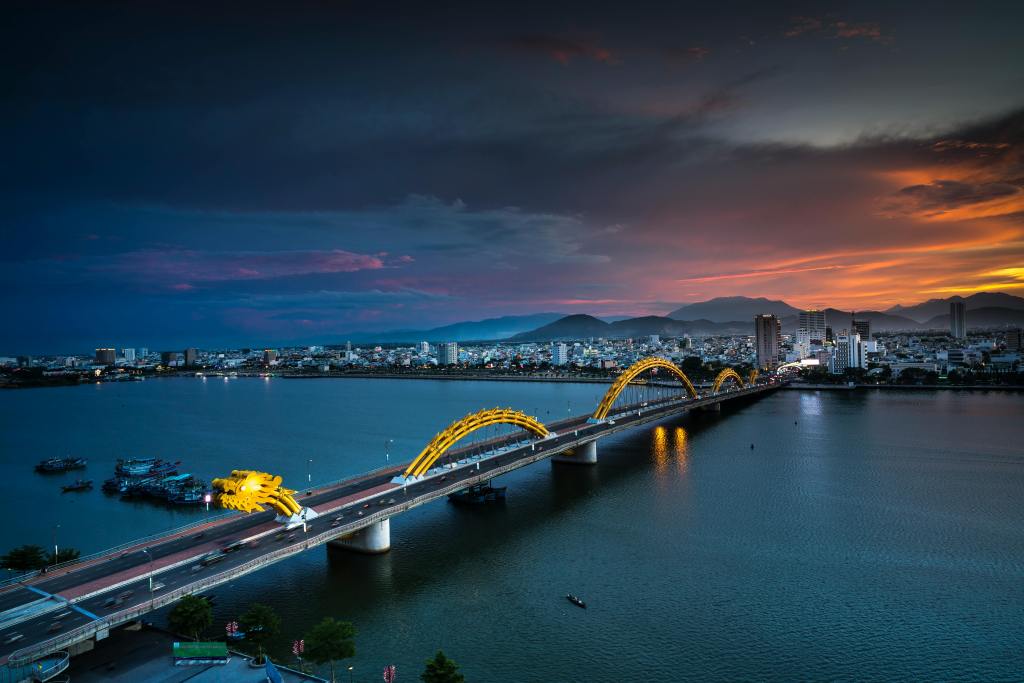
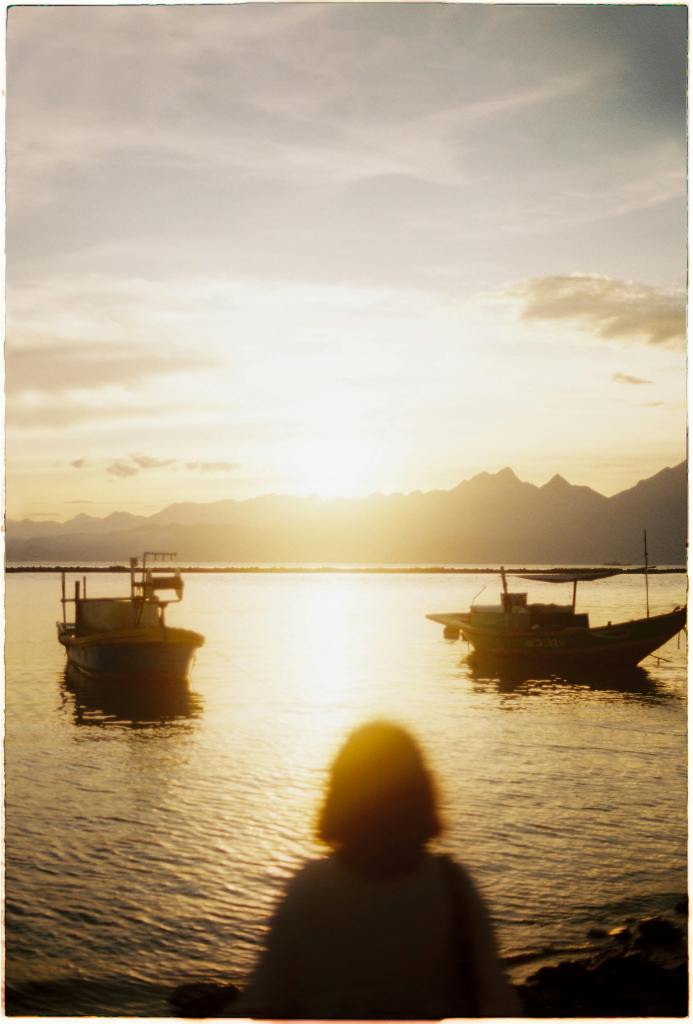

If you need a break from the bustle but sleepy towns are making you equally sleepy, Da Nang has the perfect balance. With a population of just under 1.3 million, Da Nang is a unique fusion of urban excitement and beachside tranquillity. The city began as a settlement in the Champa kingdom in the late second century AD. The beauty of the bays and beaches will have endured for millennia. Still, Da Nang’s growth into an inviting urban coastal metropolis provides the city with novelty and a curious contrast. Among its developments in the modern era is the world’s most enormous fire-breathing Dragon Bridge (mechanical), which releases furious flames for passers-by in the evenings. In the surrounding areas, staggering natural scenes come aplenty. The Hai Van Pass is considered by many to be among the most stunning sets of roadside scenery in the world. The Ba Na Hills offer yet more delightful views and are accessible by cable car. The Son Tra peninsula boasts brilliant bay views, masses of monkeys, and a peaceful paradise in the Linh Ung Pagoda, making nature, wildlife, and spirituality a neat package for all to enjoy.
Now, let’s turn our attention to Da Nang’s quaint little neighbour. Hoi An.
2. Hoi An
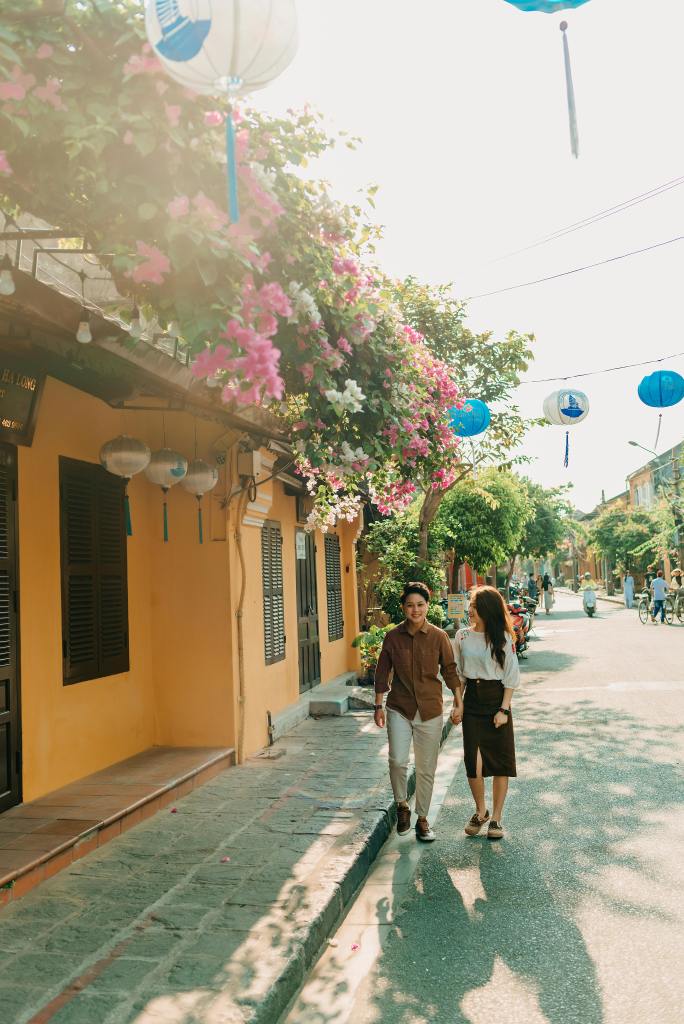
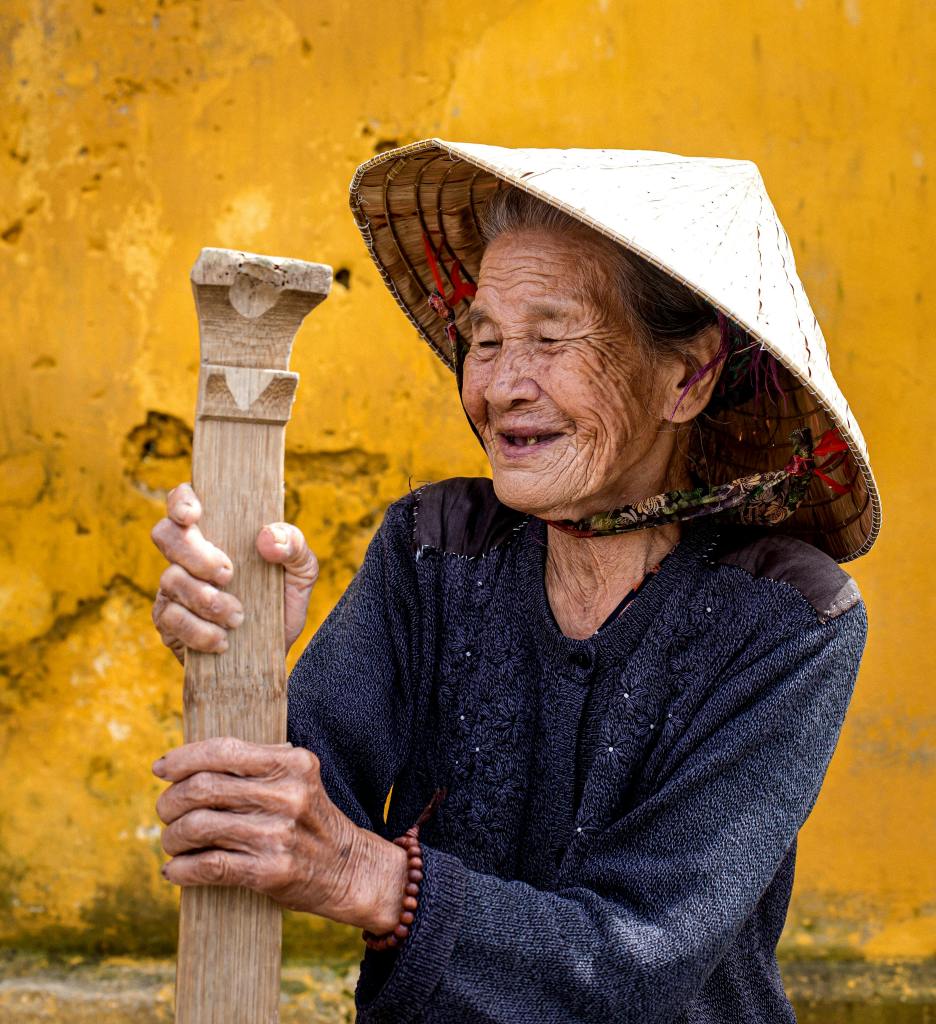
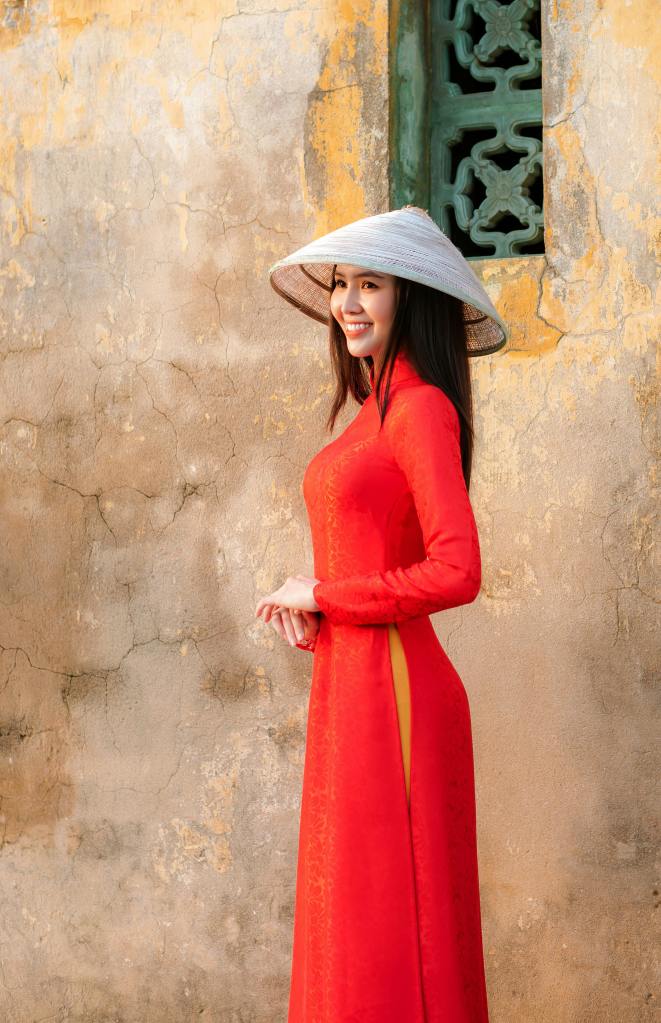
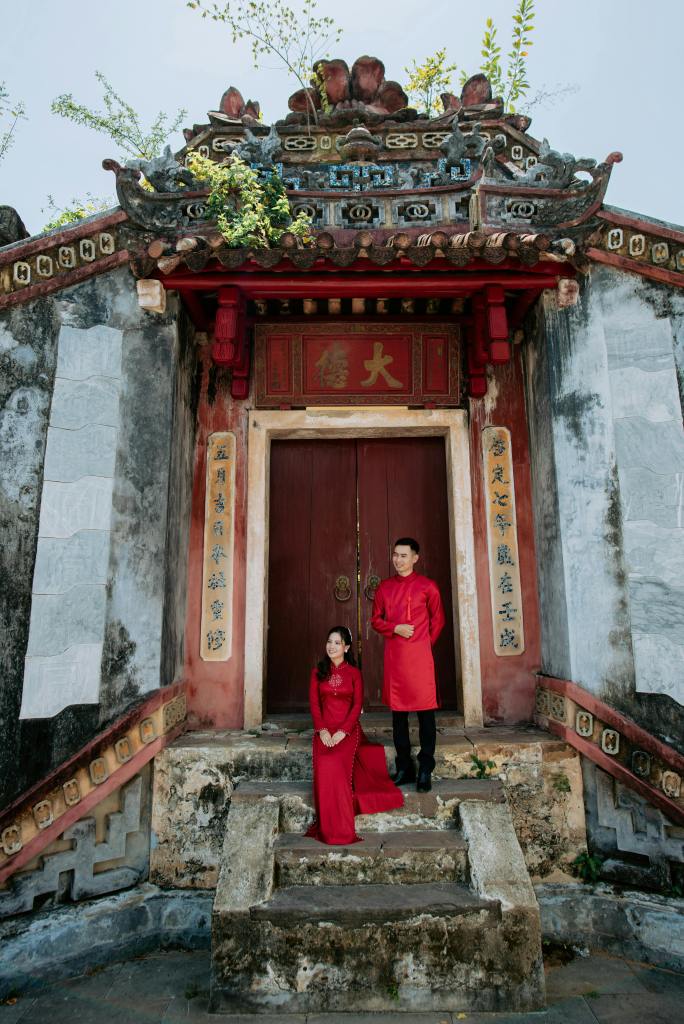

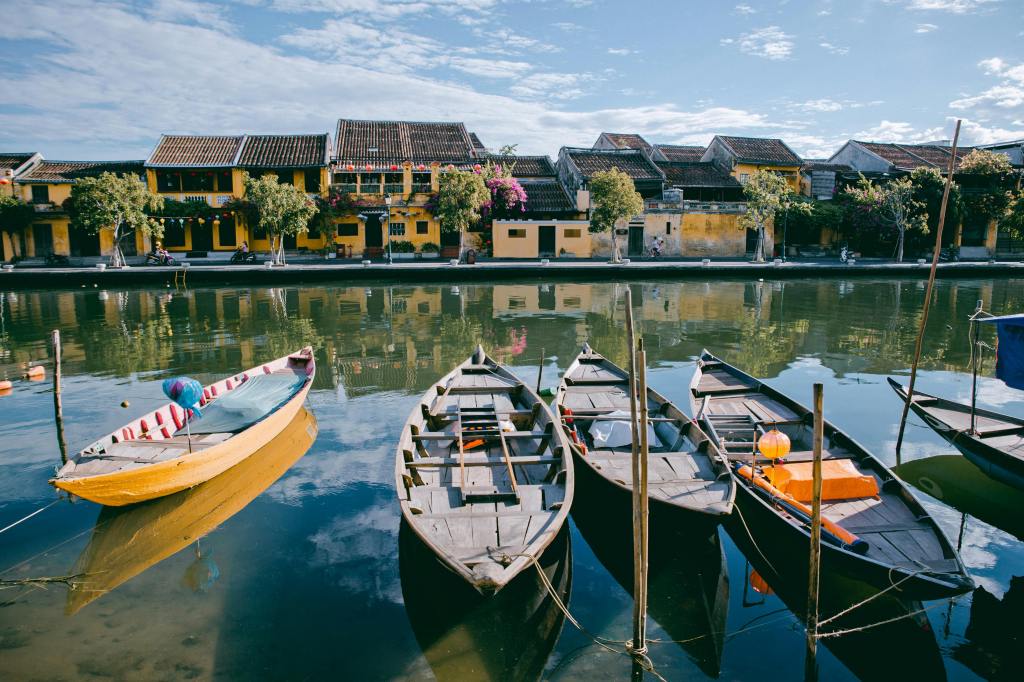
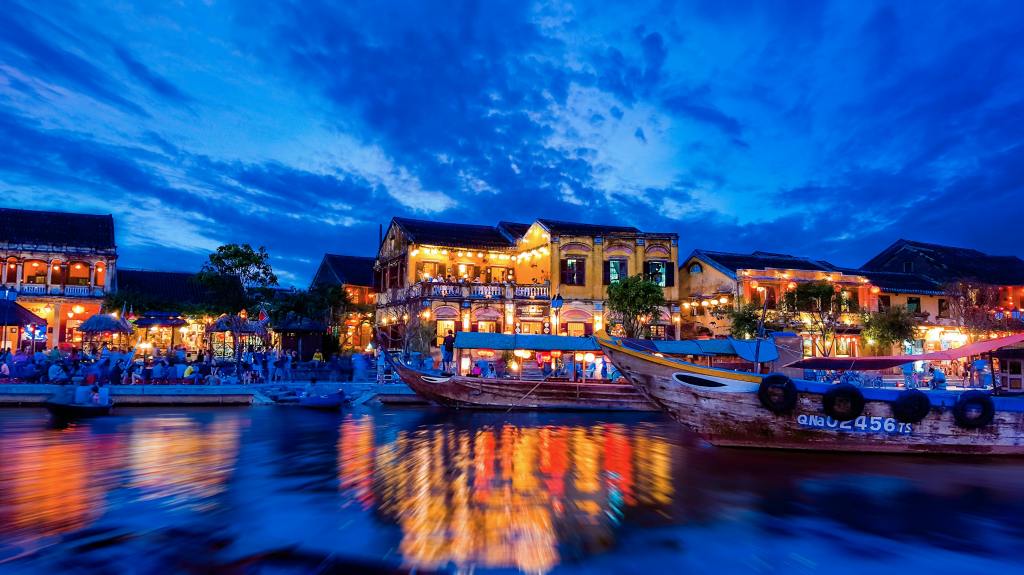
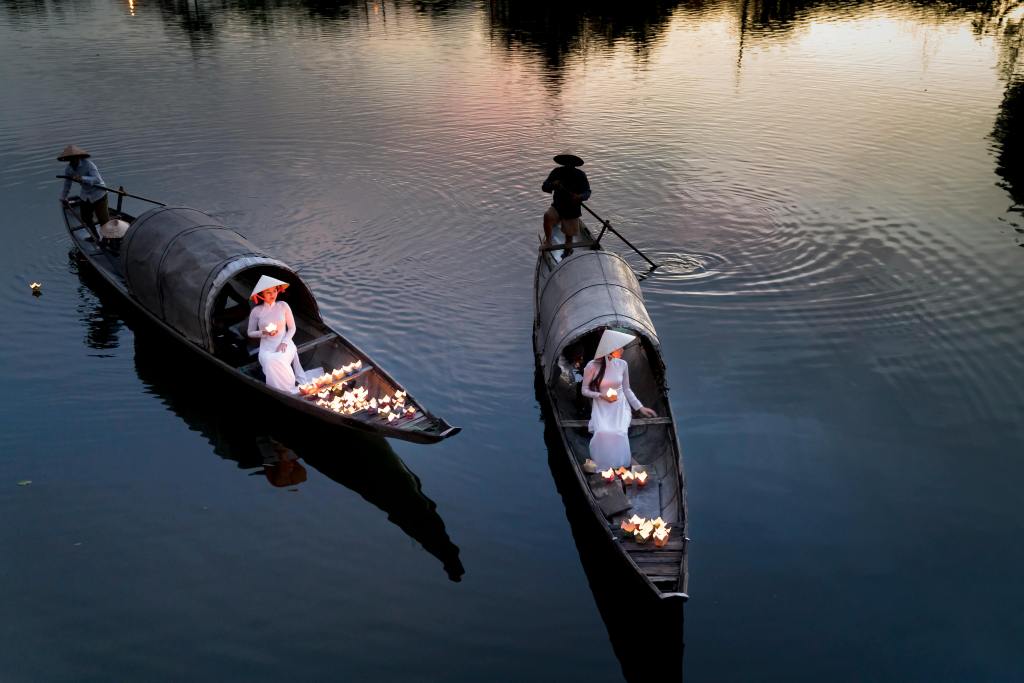
In 1999, Hoi An was added to UNESCO’s list of World Heritage Sites for its architectural ambience and cultural curiosities, both of which have been remarkably well preserved since Hoi An’s days as a significant trading hub spanning from the 15th to the 18th centuries where commerce from as far as Europe occurred. Hoi An is home to Cao Lau, the crown jewel of local cuisine. This uniquely prepared pork noodle broth is challenging to find elsewhere. This scarcity makes the already sumptuous Cao Lau even more special. In addition to its delectable dining delights, its Ao Dai shops make and sell bespoke traditional Vietnamese clothing products. Prices vary, but reasonable prices for high-quality Ao Dai clothing are abundant. The homogenously yellow architecture makes sojourning in the sunlight and strolling through the luminescent lantern-lit riverside in the evenings a simple delight for all who visit Hoi An.
3. Hue
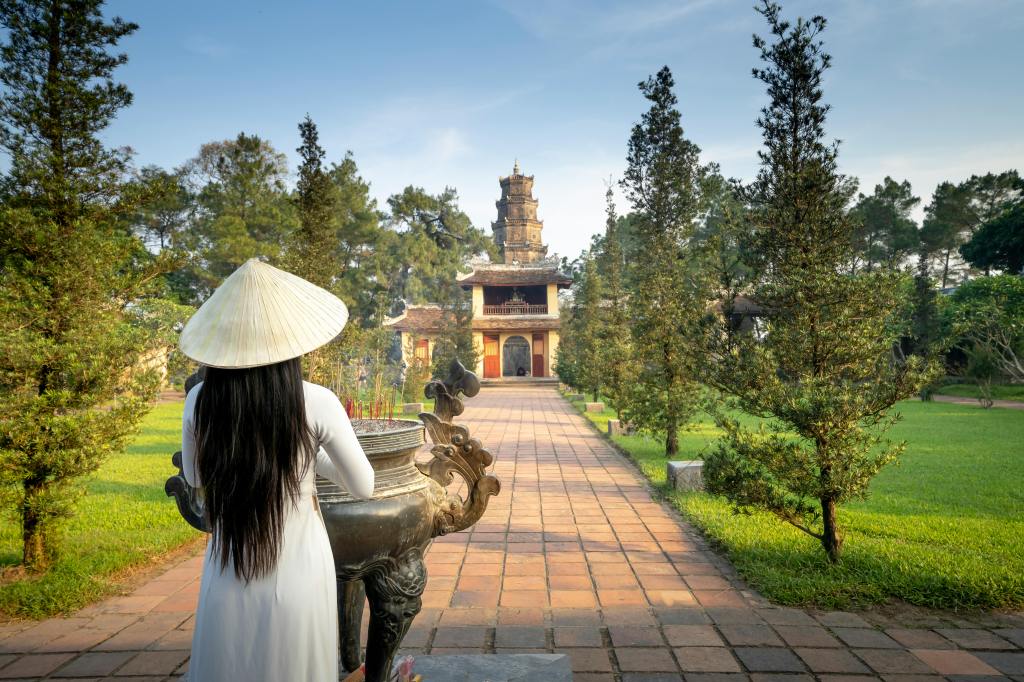
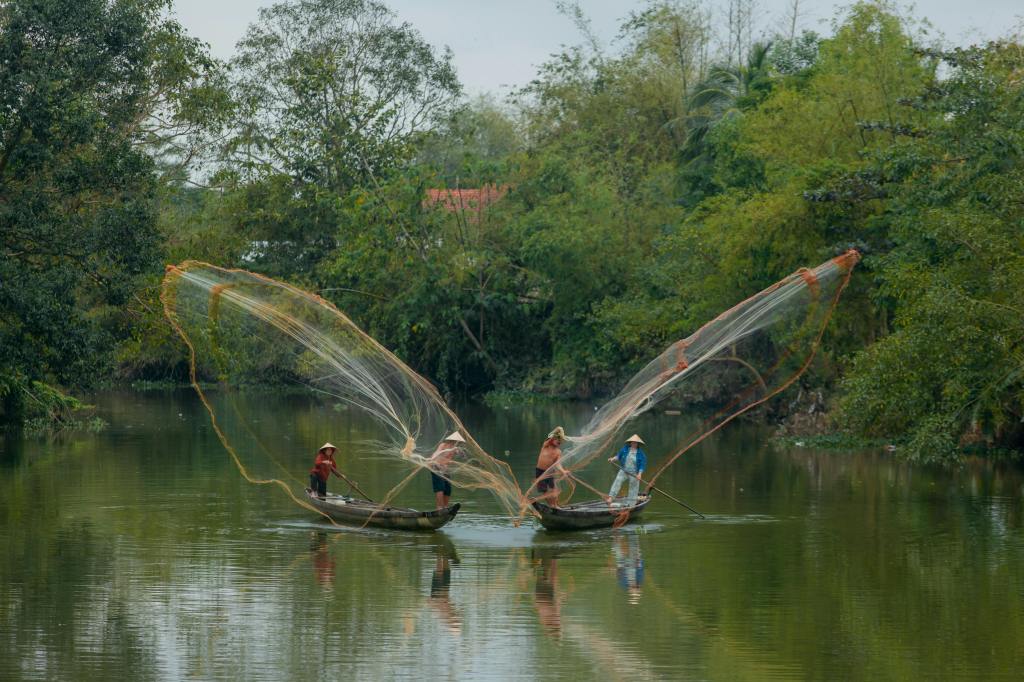


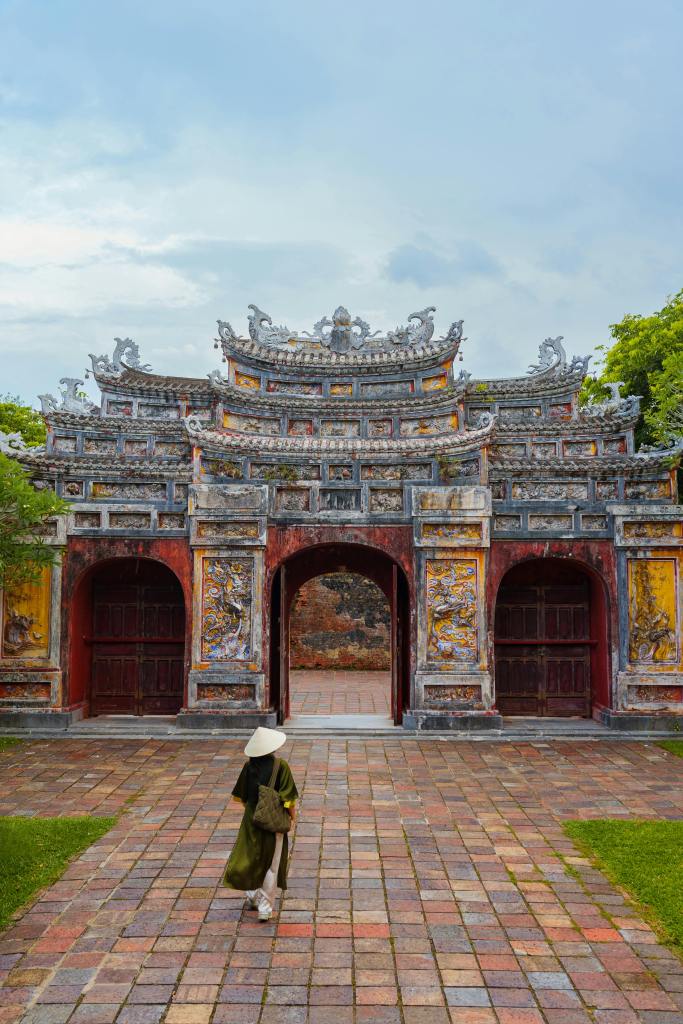
Here we have yet another UNESCO World Heritage Site. Situated on the banks of the tranquil and visually mesmerising Perfume River, the Imperial City of Hue served as the capital during the Nguyen Dynasty from the early 19th to mid-20th century, an era so influential that the surname Nguyen still accounts for roughly 40% of the population of Vietnam. The bullet holes sustained in the 1968 Tet Offensive in the walls of the Imperial Citadel serve as a sharp reminder of the importance of gratitude for peace alongside its serene ambience. Outside the citadel, Hue is replete with decadent royal tombs, including those of Emperors, and the over-400-year-old Thien Mu Buddhist Pagoda is a long-standing architectural marvel, symbolising the path to enlightenment through its seven levels. Hue was also the hometown of the late renowned Zen Master, Thich Nhat Hanh, and it was here in Tu Hieu Pagoda where he spent his last days and where his mortal remains reside. Hue is a city of architectural awe and spiritual serenity.
4. Buon Ma Thuot
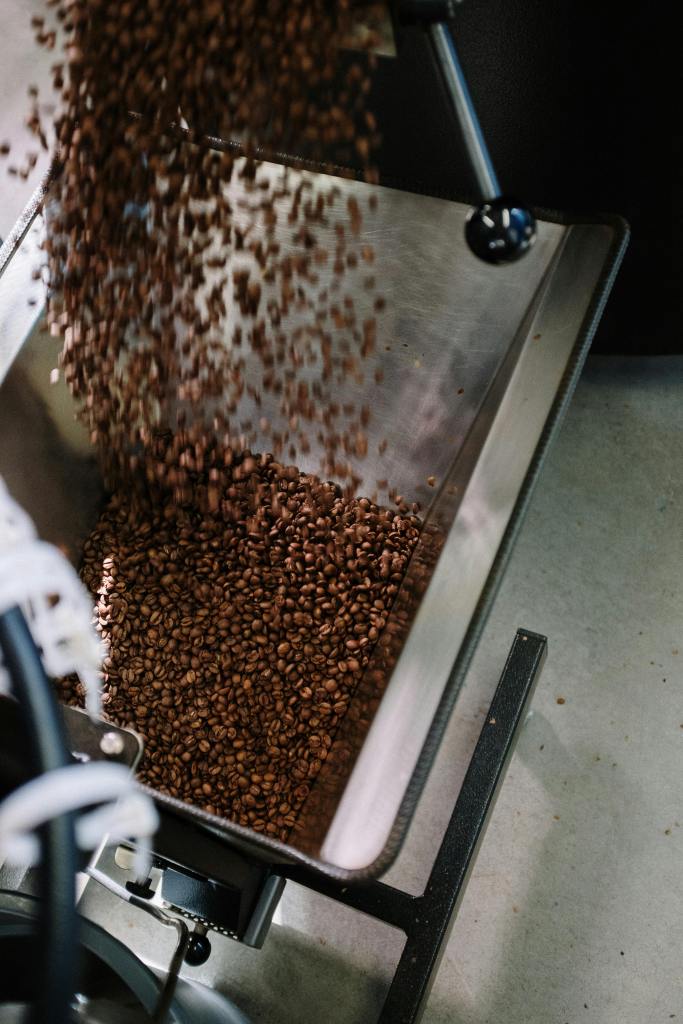

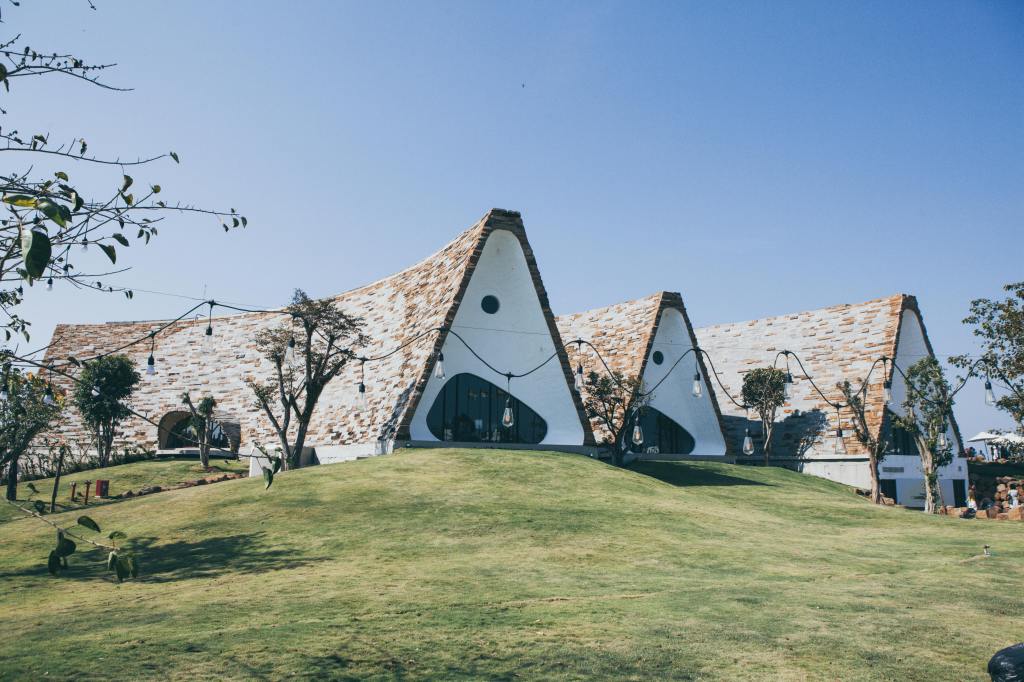
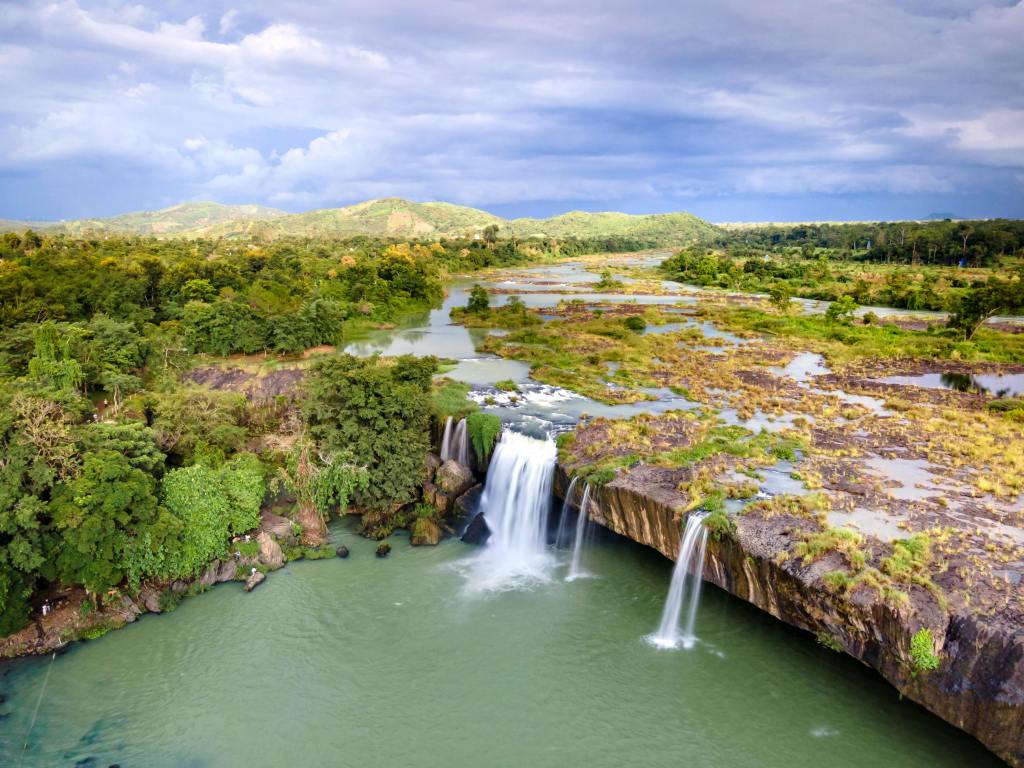
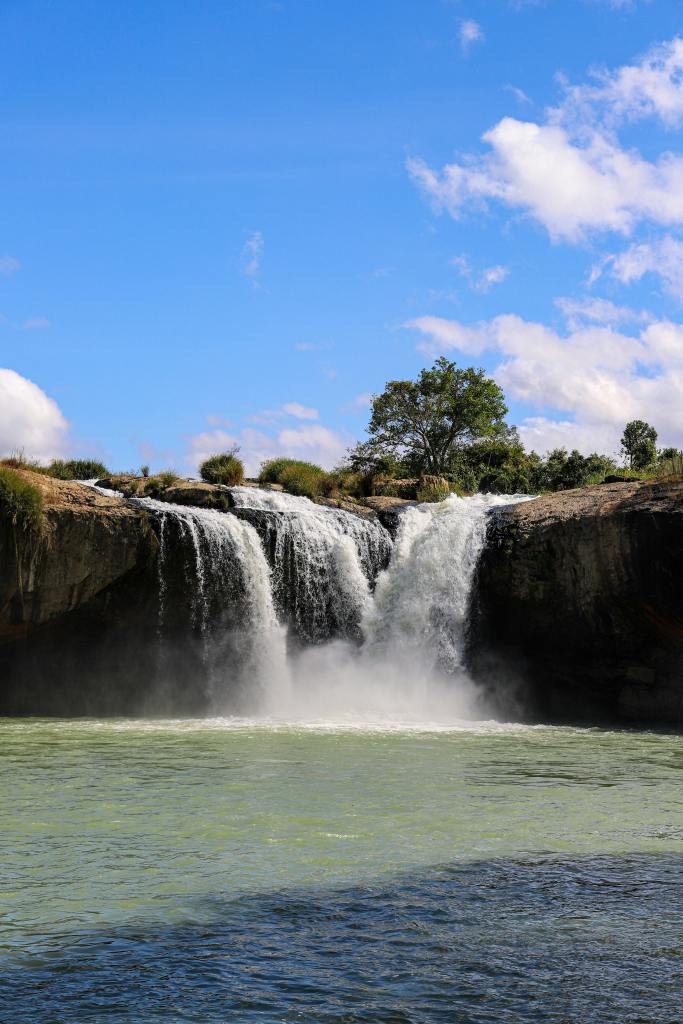
Coffee Lovers, attention. Put this on your list. Vietnam is the world’s second-largest exporter of coffee, and Buon Ma Thuot is known as the Coffee Capital of Vietnam. Trung Nguyen Legend, one of Vietnam’s most renowned and respected coffee brands, has dedicated an entire museum to Vietnam’s unique and special coffee style. Vietnamese robusta coffee beans are almost three times as high in caffeine as the commonly consumed arabica beans. A sharp and invigorating flavour combines with its rocket fuel propulsion to make a memorable and energising morning brew.
After a coffee boost, visitors can marvel at the Dray Nur waterfall and soak up the natural surroundings. Buon Ma Thuot is also abundant in elephant sanctuaries, where you can feed these magnificent creatures in a safe and ethical environment.
5. Son Doong Cave
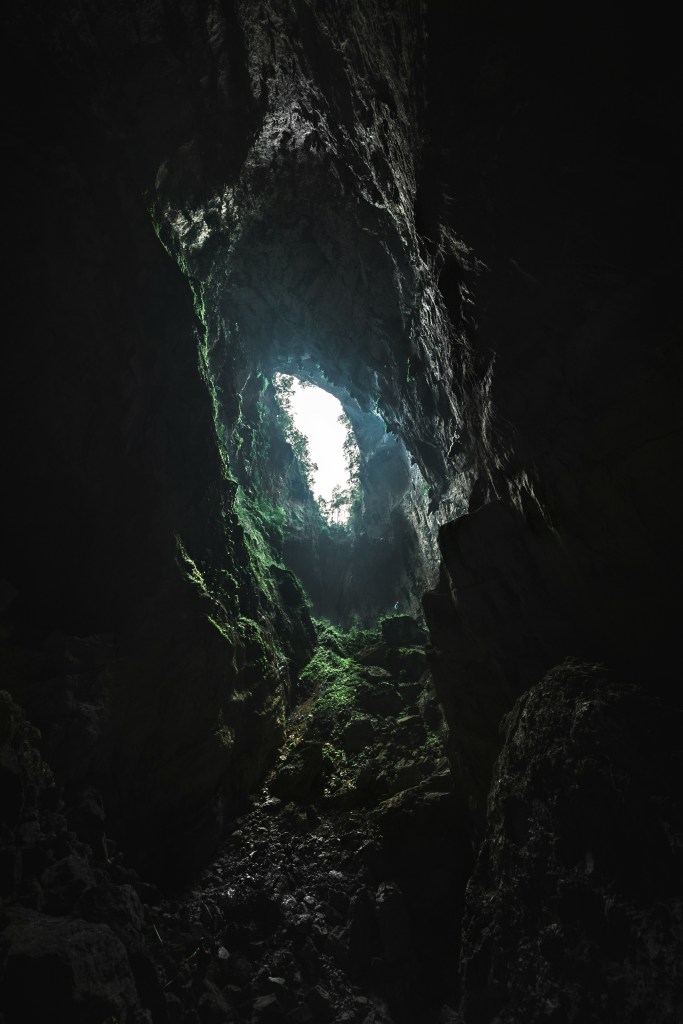

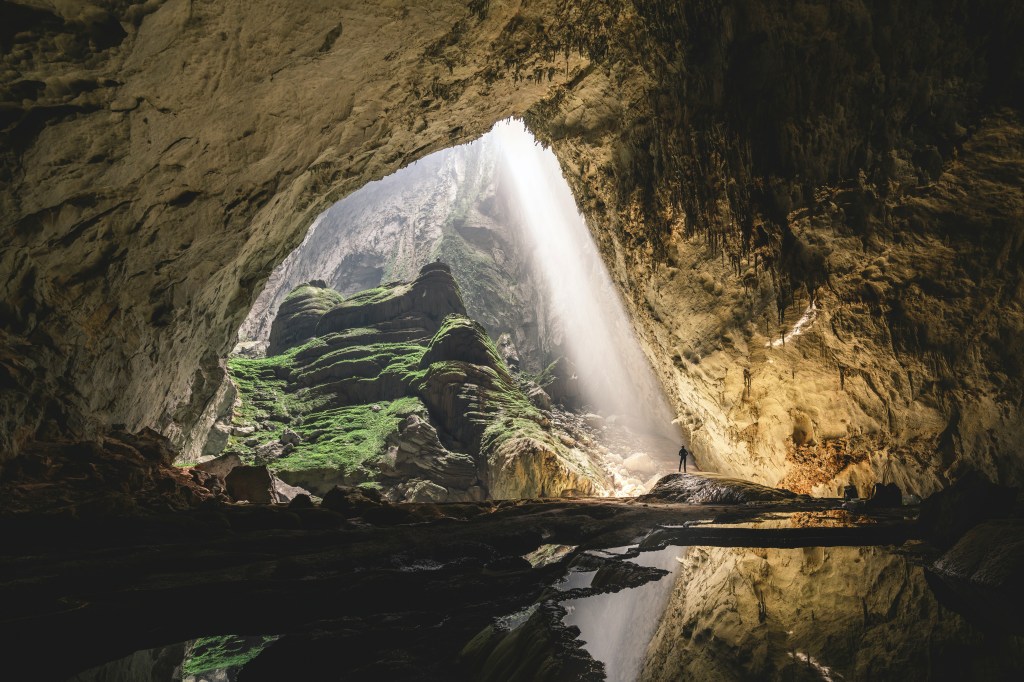
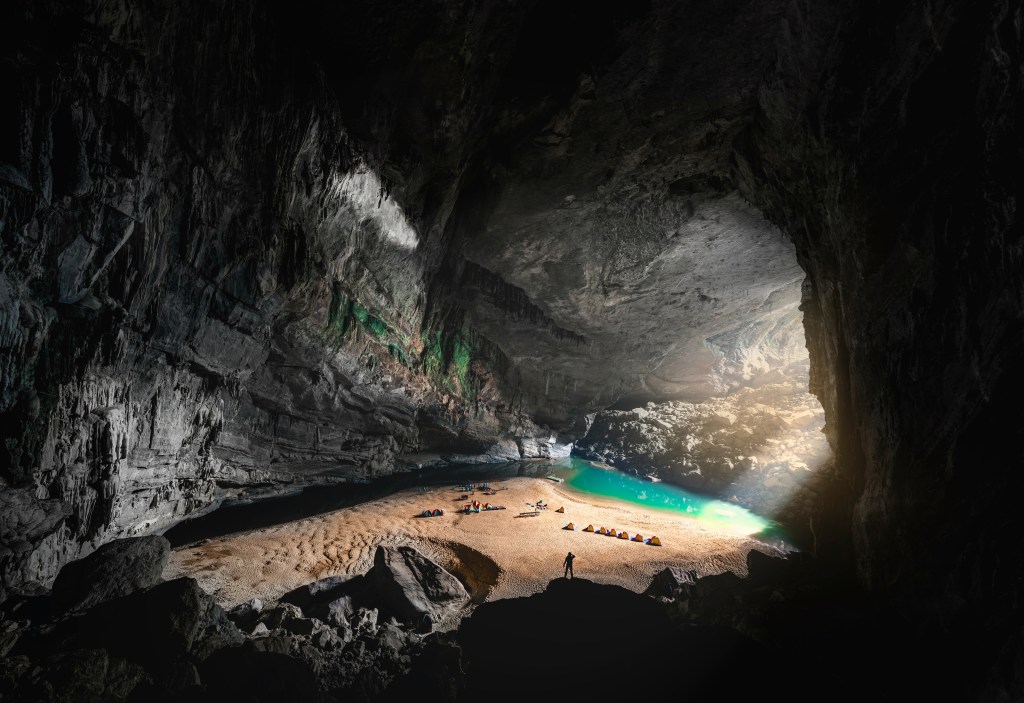
This is the largest cave in the world. Including another UNESCO World Heritage site might seem gratuitous, but here we go again. In places, this shining example of Mother Nature’s might and majesty reaches heights of 200 metres and widths of 150 metres. It was discovered less than 25 years ago, and its unspoilt natural ecosystem is a subject of immense interest among scientists.
It is important to note that visiting such a site of specific scientific interest is not something you can do on a whim.
Visitors can expect to pay roughly $3000 USD for a four-day tour. They must also book their slot 6-12 months in advance.
6. Da Lat
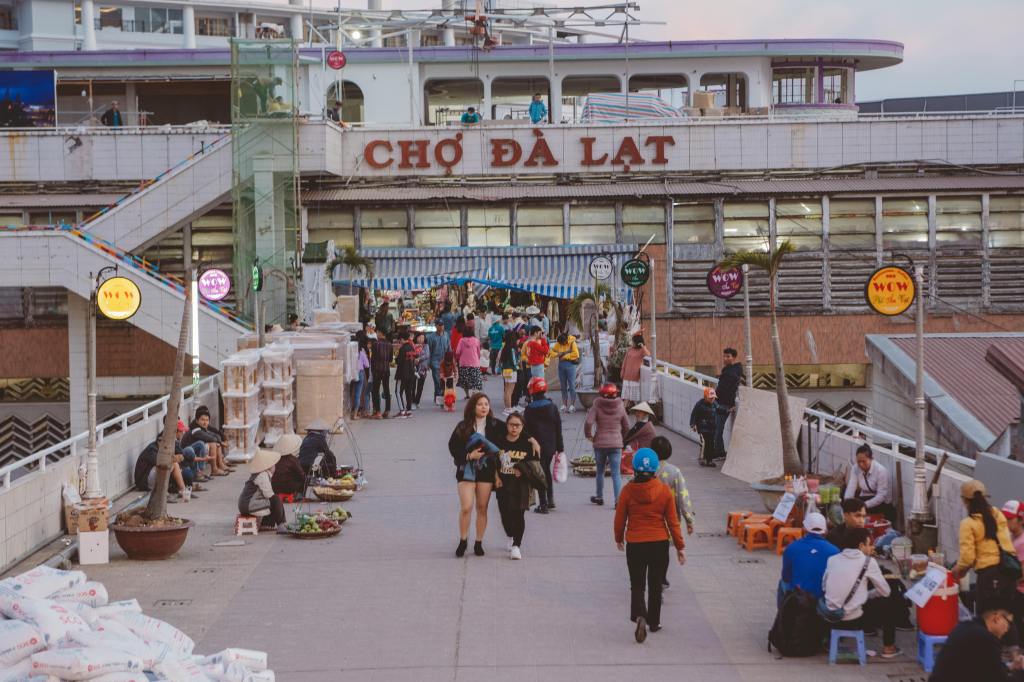
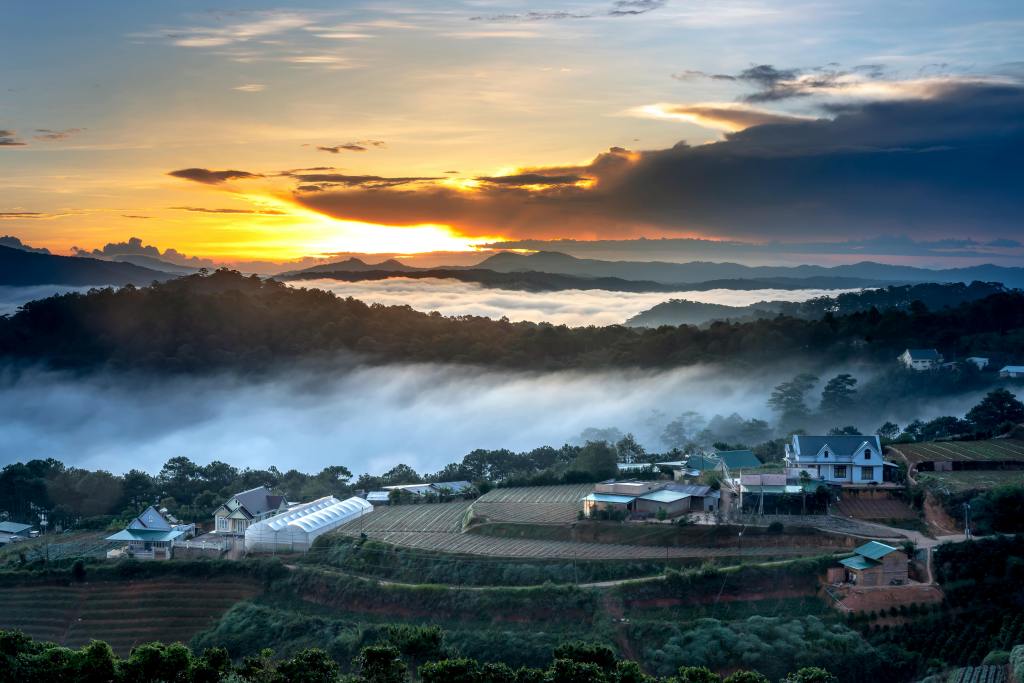
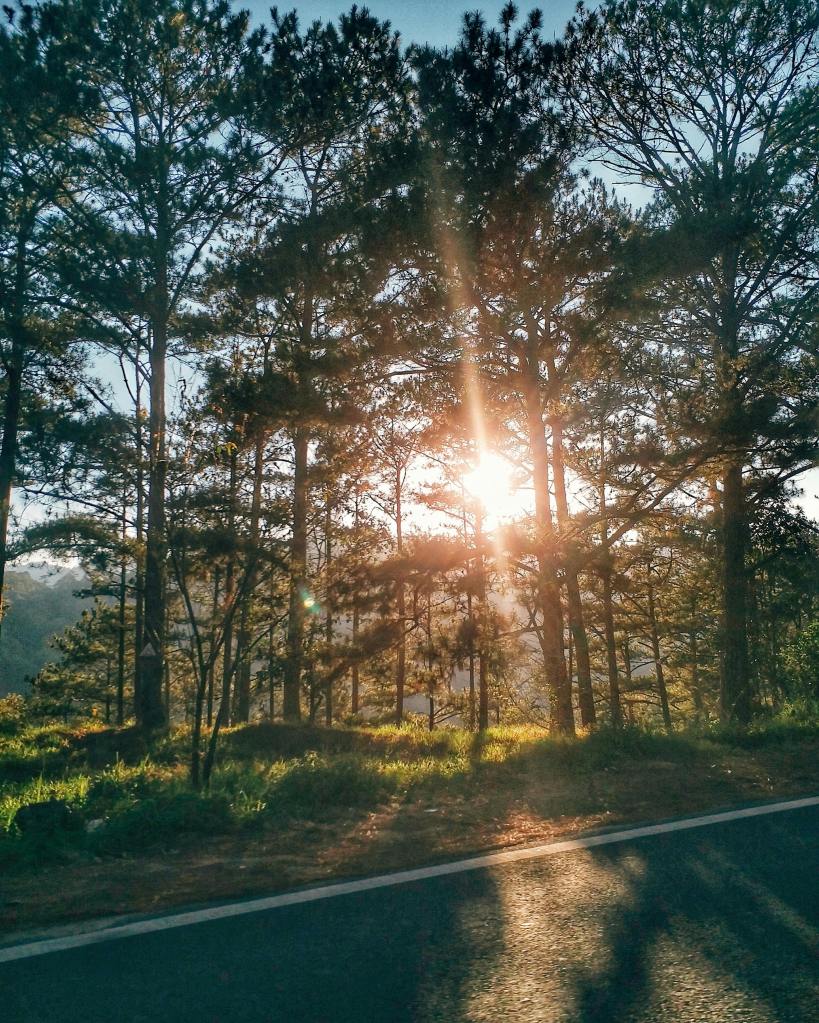
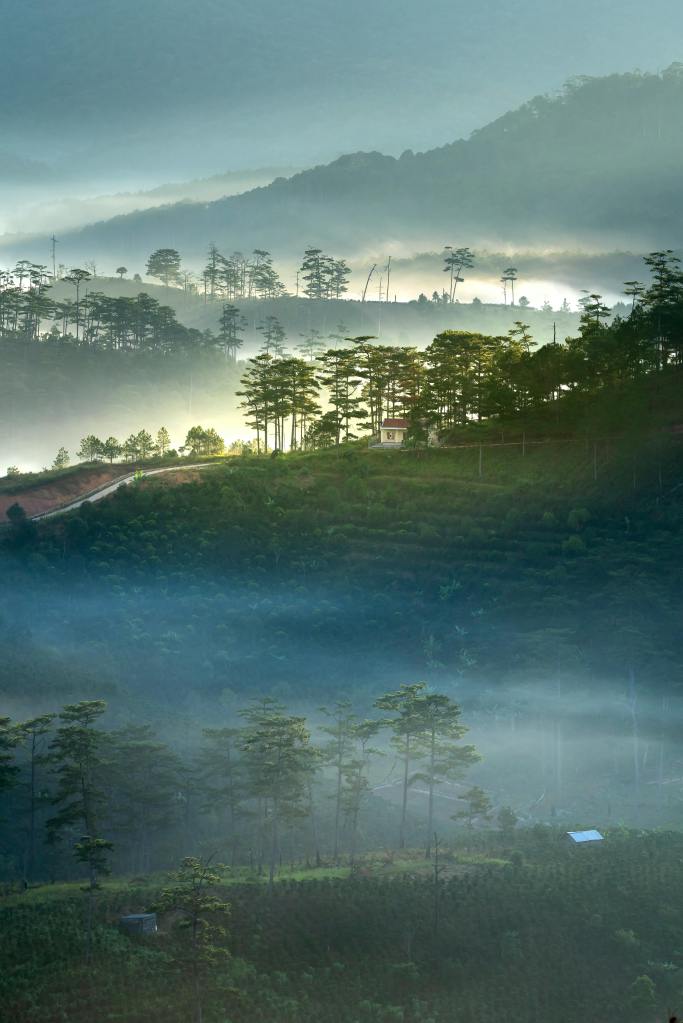
If you’re looking for a cool and calm stay and rest among rugged and magnificent mountains and wondrous waterfalls to help you hide from the heat, then Da Lat is a place you’ll enjoy with ease. Its 1,500-metre elevation gives it a mild climate throughout the year. Much like Buon Ma Thuot, it is a significant player in the Vietnamese coffee industry, and it is also renowned for its elegant floral displays and plentiful numbers of florist vendors. Though it may not be an architectural delight, Da Lat Market is a popular destination among locals for its expansiveness and diversity of goods and foodstuffs. As for attractive architecture, the influence of the French remains in colonial villas and churches all around.
In the surrounding area, there are many highly commercialised and lesser-known waterfalls. Hikers can also enjoy a walk among the conifers as they head to the summit of Lang Biang Mountain. Moreover, visitors to Lang Biang village can enjoy the warm hospitality and delicacies of the Lach ethnic minority.
7. Nha Trang
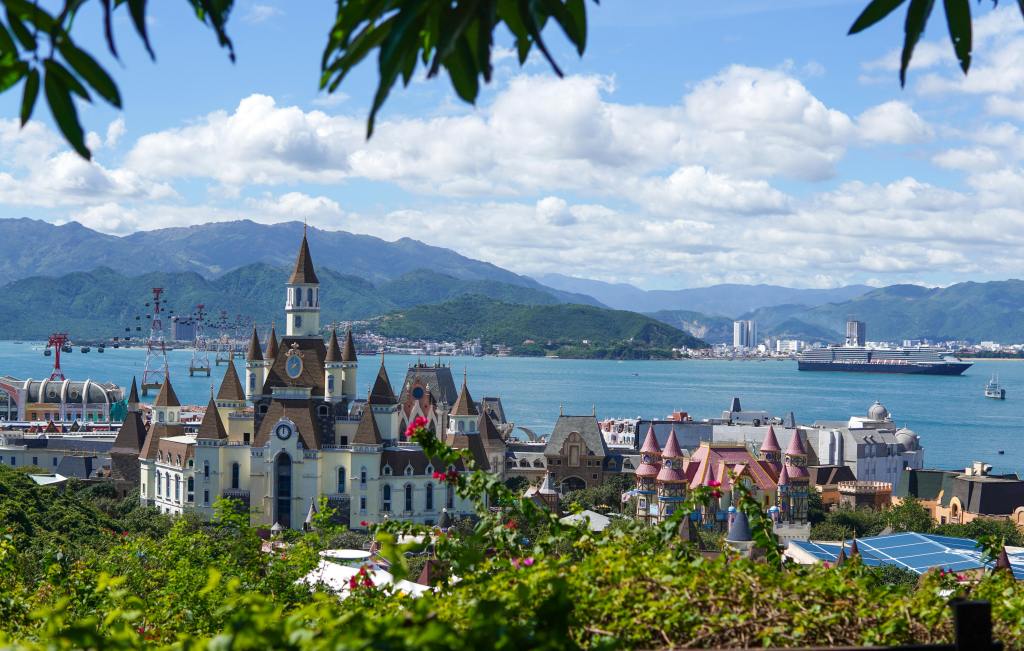
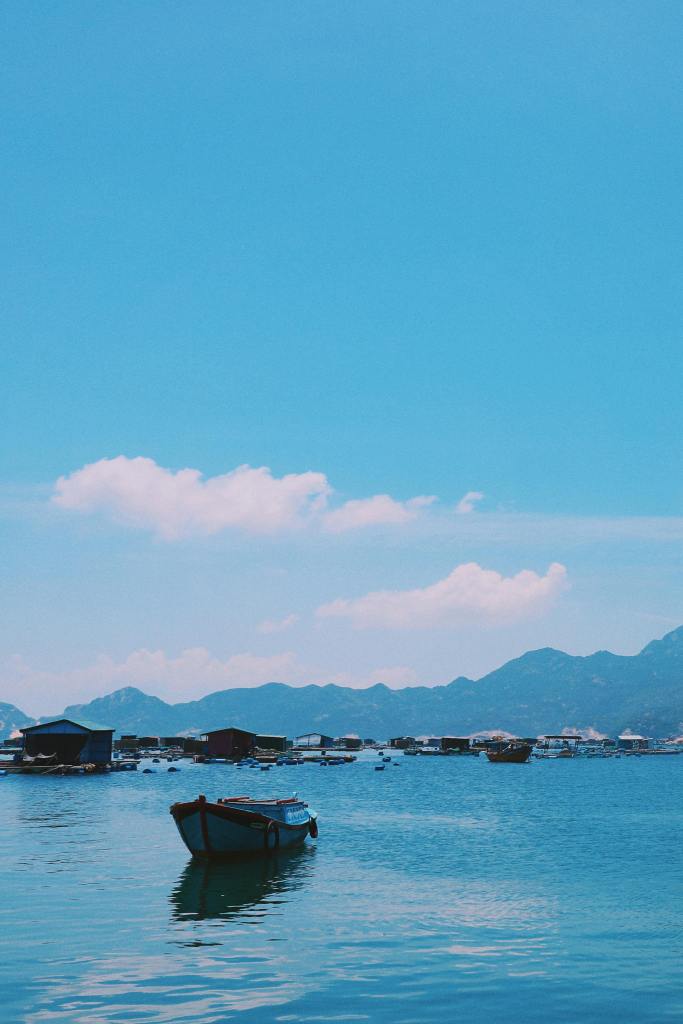
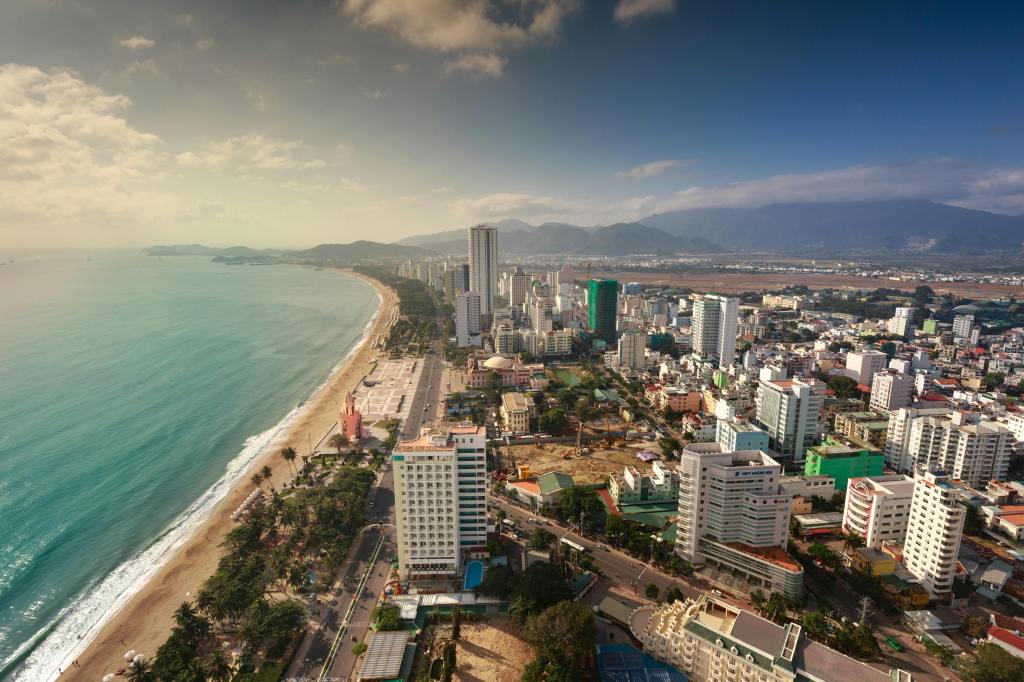
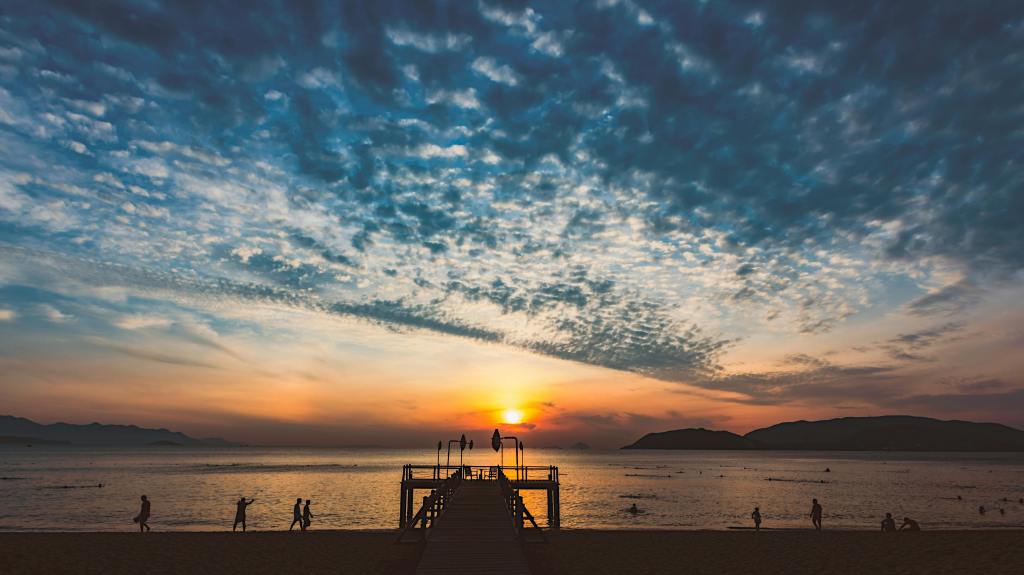
Nha Trang is home to some of Vietnam’s most pristine beaches. The clear ocean water and inviting white sand attract locals and foreigners throughout the year. In addition, a healthy number of divers gravitate to Nha Trang to observe its coral reef and its diverse range of inhabitants, with small islands dotted around the vicinity. Island hopping by boat is a common pastime for Nha Trang’s visitors for snorkelling opportunities, theme parks, spas, and golf courses. Holidaymakers looking for a break from activities and excursions can seek some excellent edibles and peruse the city’s seafront and nearby streets, nationally renowned for their fresh seafood, a crown jewel of Nha Trang’s cuisine, alongside grilled pork sausage. After satiating their hunger, hikers can enjoy uphill treks to vantage points to behold the city’s beauty. History buffs only need to venture out of the town for a short while to be among millennium-old ruins of temples built by the Cham people, a Hindu ethnic group whose kingdom once spanned the majority of central and southern Vietnam.
This was yet another chapter in the series of Must-Visit Destinations in Vietnam. If you like what you’ve seen of the central and northern regions, keep an eye out for more information about the south and west of this remarkable nation. It’s coming soon.



 Earth Life Writer
Leave a reply to Top 5 must-visit destinations in Southern Vietnam – Earth Life Writer Cancel reply