

Top 7 Must-Visit Destinations in Northern Vietnam
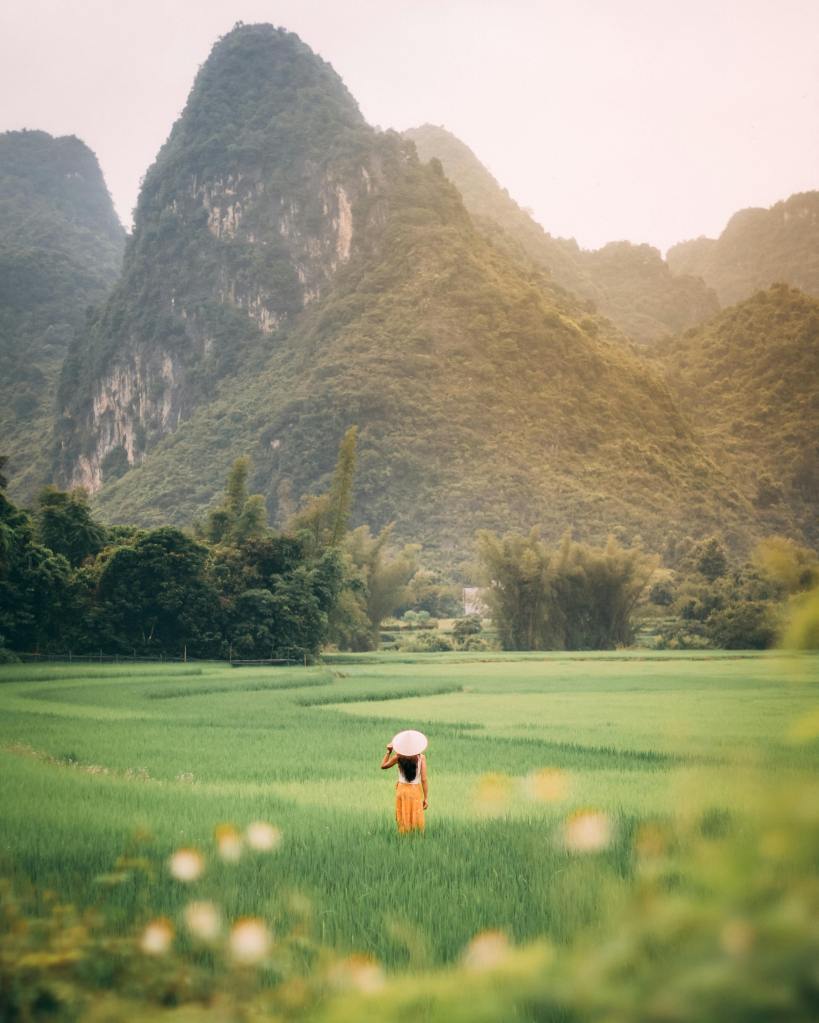
Vietnam is a Southeast Asian travel destination with something for everyone. Since the turn of the new millennium, Vietnam’s significant economic progress has facilitated the growth of Vietnamese tourism to over 6% of GDP. The prosperous travel industry, both internationally and domestically, is making Vietnam an ever safer and more accessible place to visit and see the captivating natural landscapes, bustling metropolises, and unique blend of oriental and Frankish architecture.
Because Vietnam has so many things to offer, it is better divided into its regions: northern, central, southern, and western. Let’s start with the north.
1. Hanoi
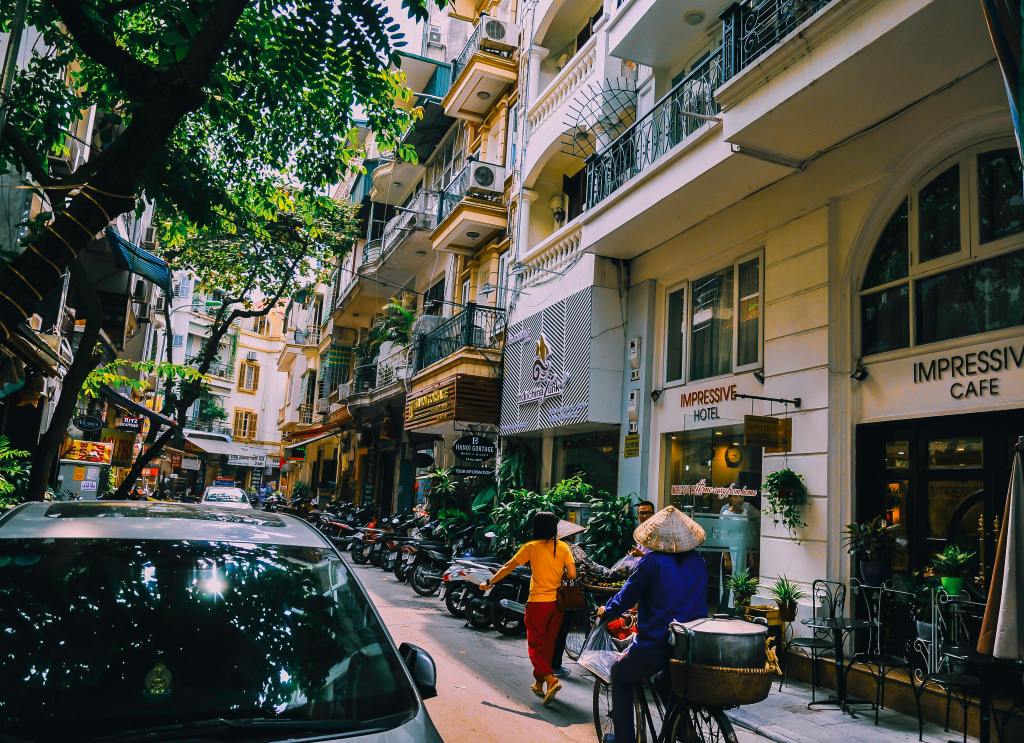
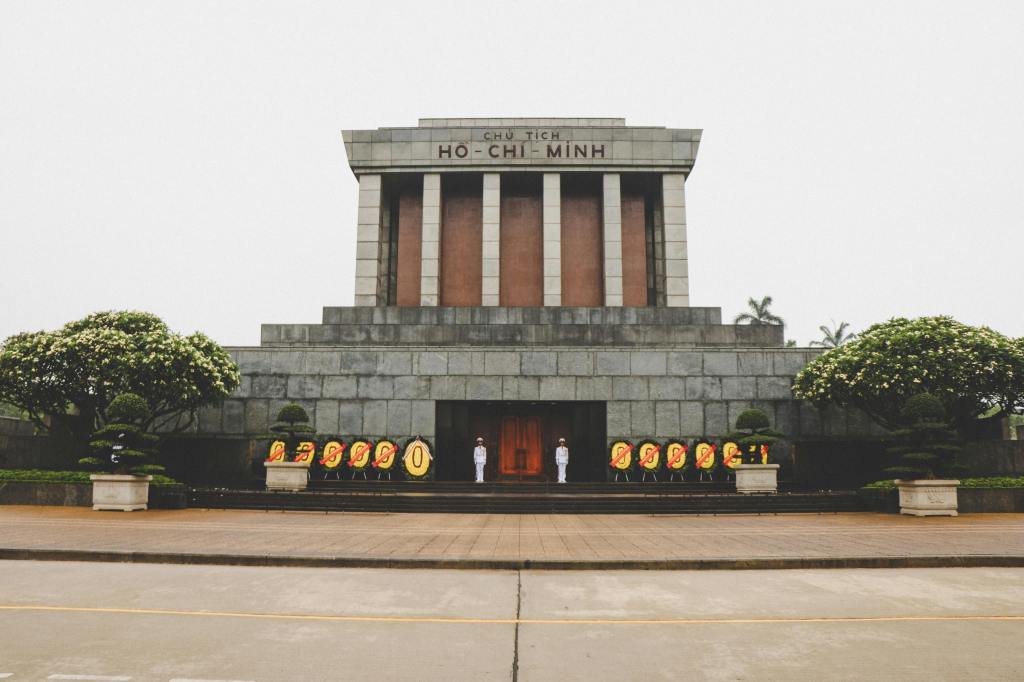
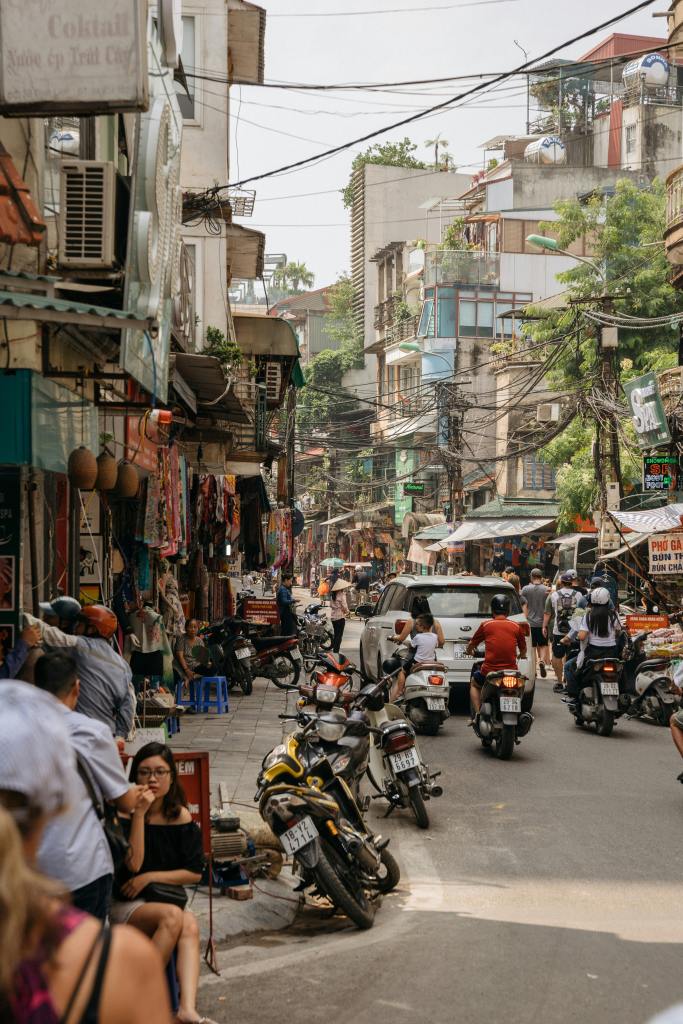
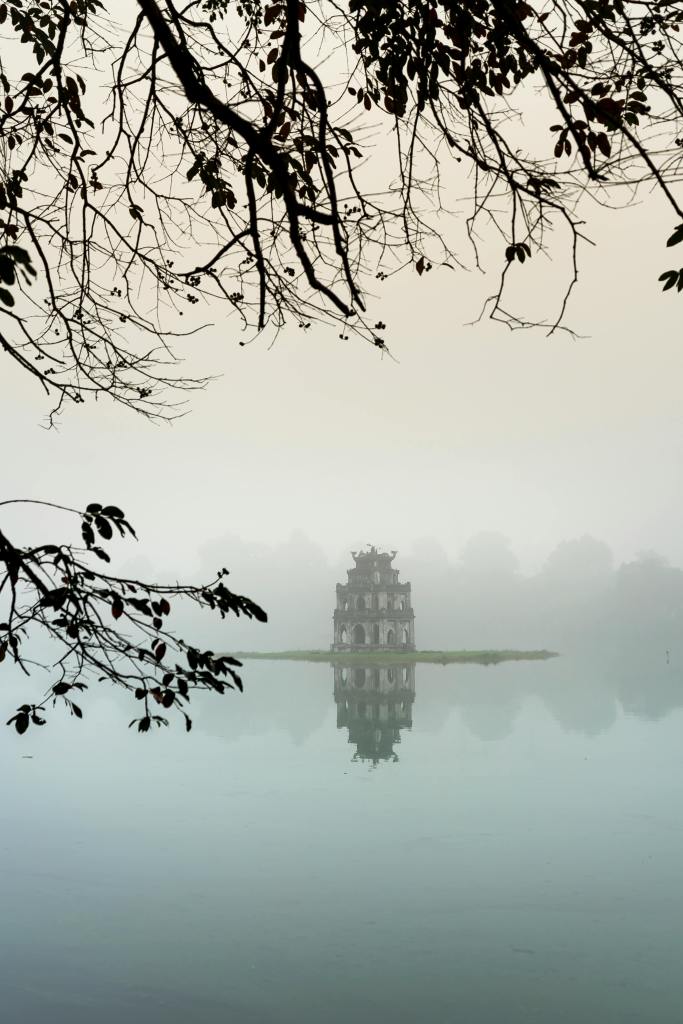
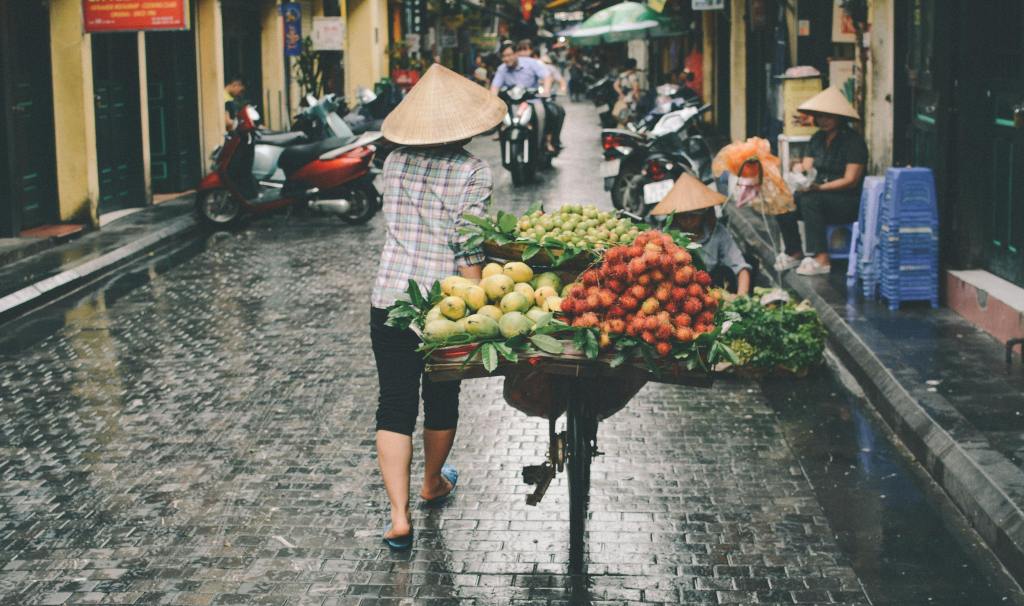
Hanoi has been the capital of Vietnam for over a thousand years. It’s a city of immense variety and contrast with its picturesque lakes, narrow townhouses in the Old French Quarter, and the mad rush of motorscooters as its roughly 8.5 million citizens go about their days. Visitors can enjoy a bowl of Pho (Vietnamese Beef Noodle Soup), a speciality Egg Coffee, and see Ho Chi Minh himself in the mausoleum for free. Quaintness and bustle combine to make Hanoi a must-visit destination for any tourist.
2. Ha Long Bay
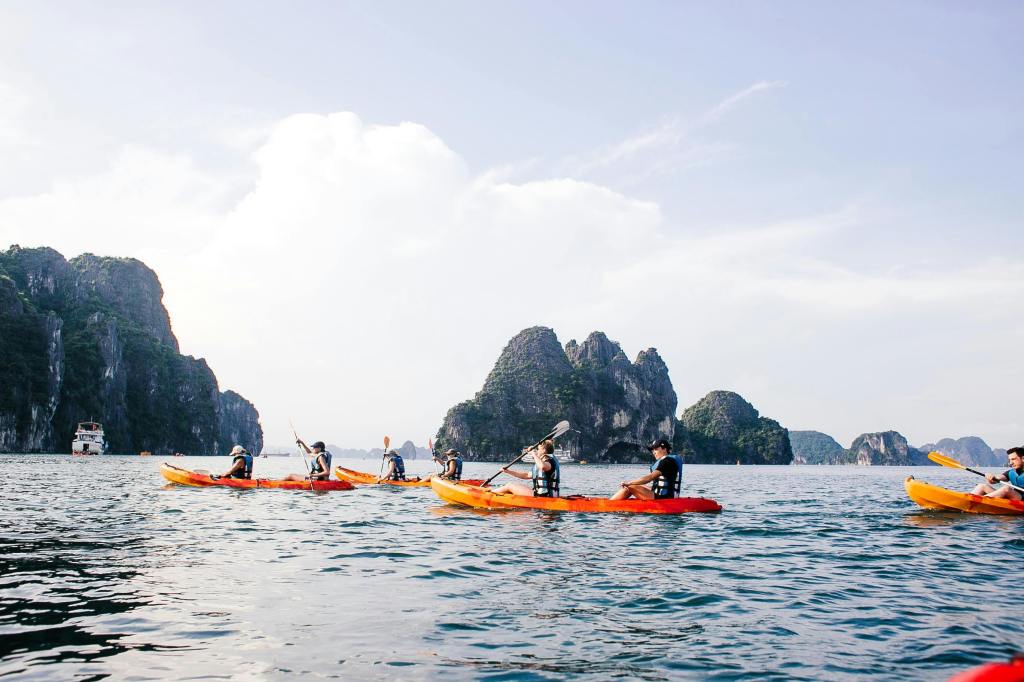
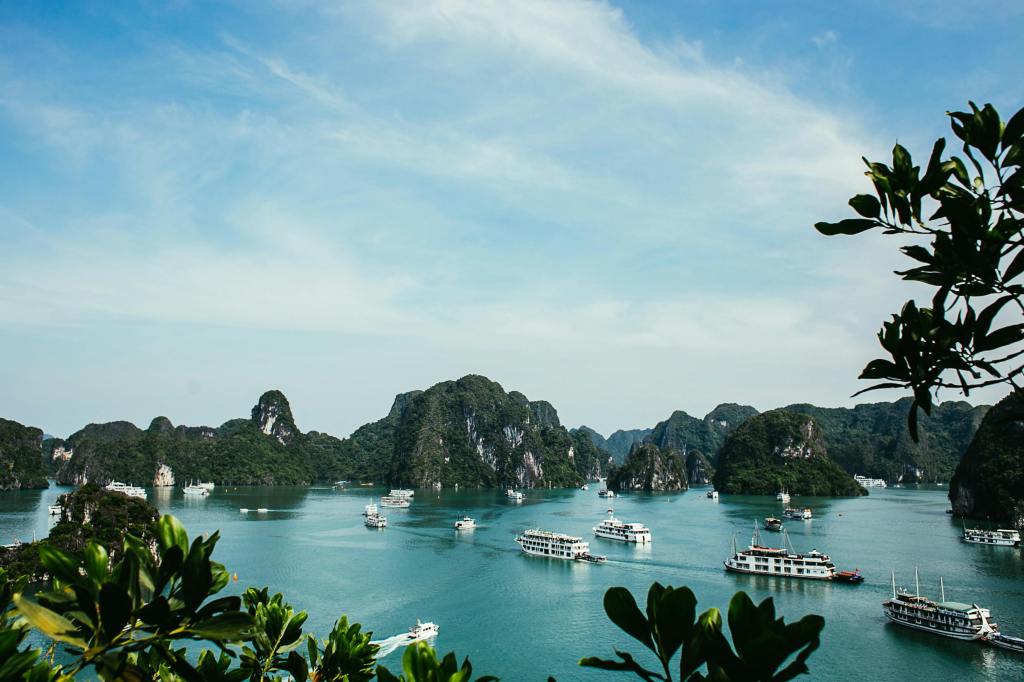
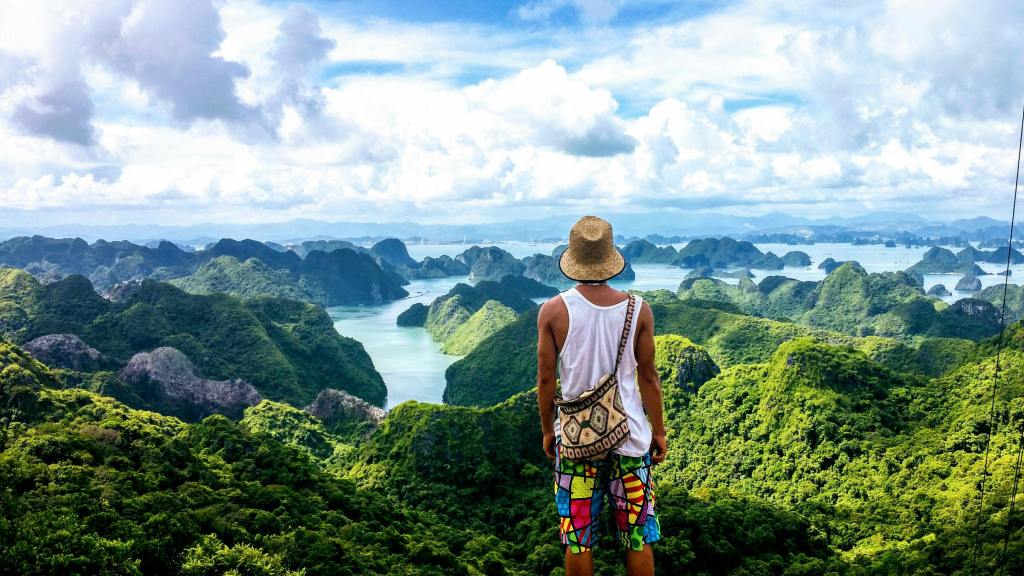
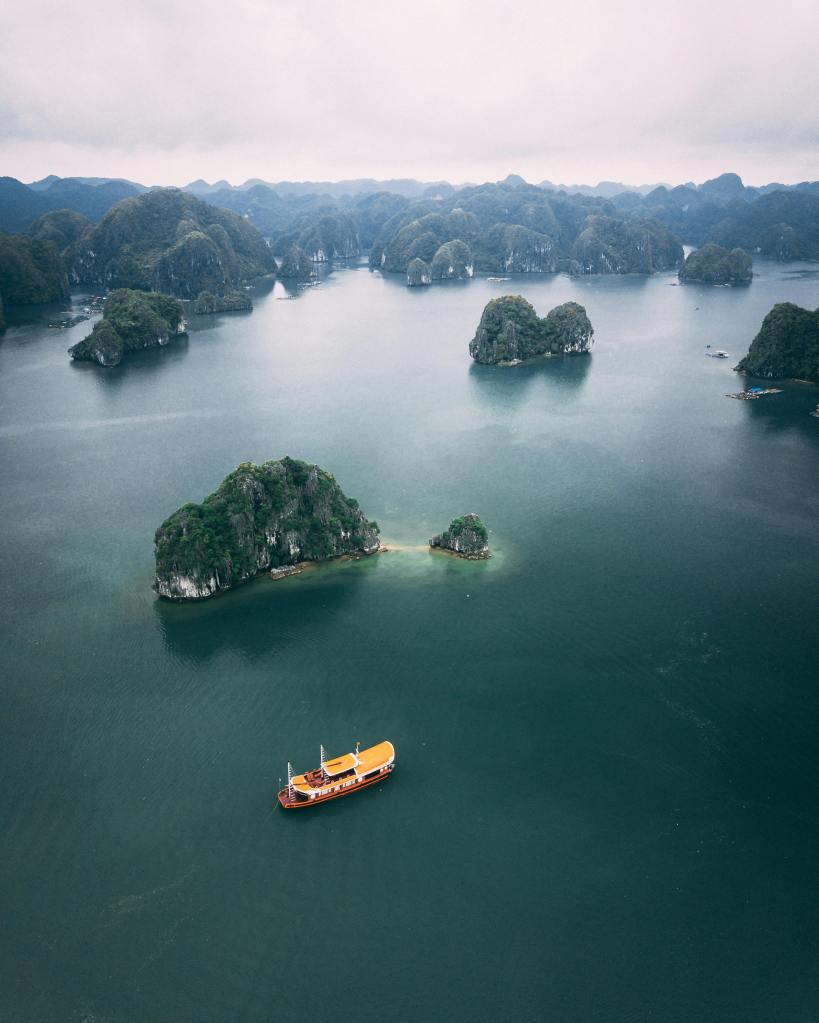
Ha Long Bay has been recognised more than once as a UNESCO World Heritage Site for its staggering scenes and biodiversity. Almost 2000 small islands covered in verdant plant life protrude from the sea, where archaeologists have found evidence of human activity as far back as 18,000 BCE. It’s worth a visit not only for the photography opportunities but also to see how even the most beautiful photos can’t do the experience justice.
3. Ha Giang
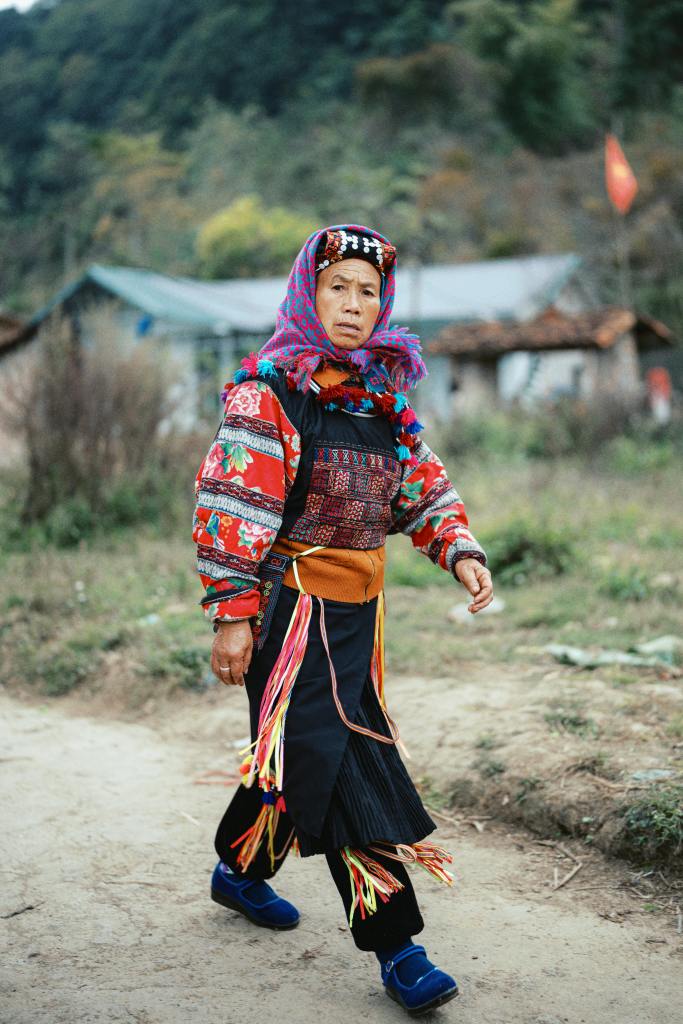
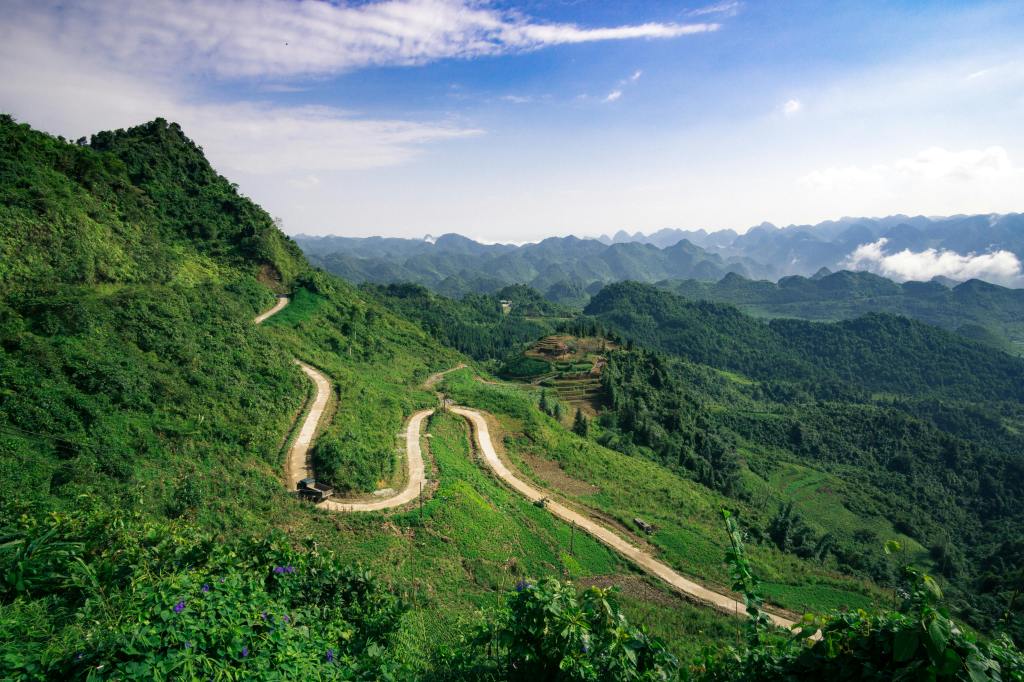
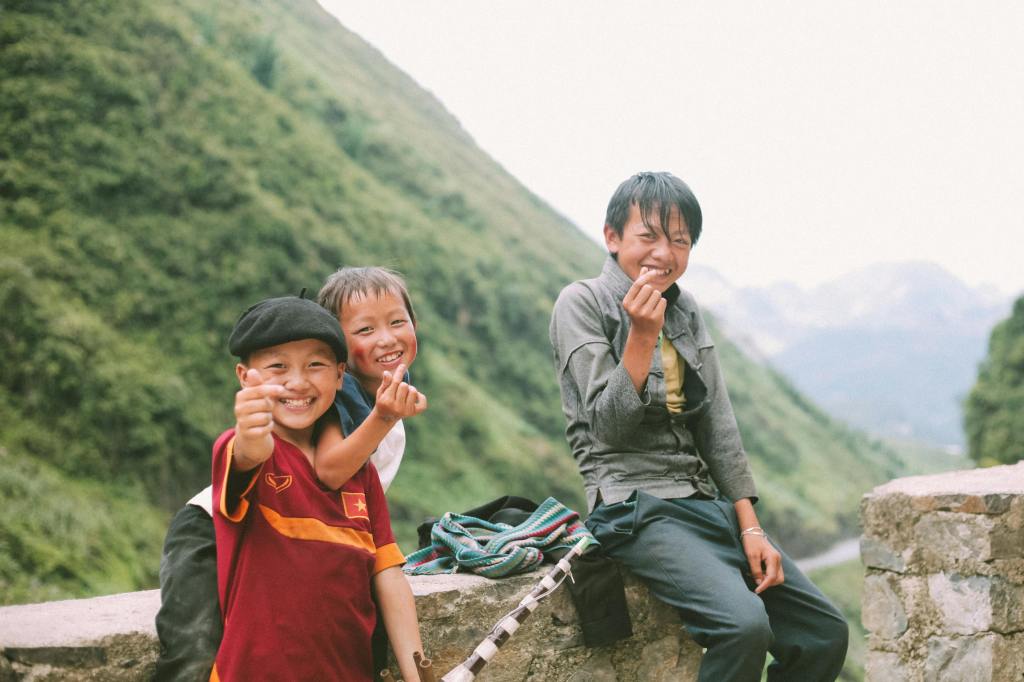


Ha Giang is the Northernmost province of Vietnam, home to rugged highland terrain, lush greenery, and terraced rice paddies. The Tay, Hmong, Dao, Nung, and Lolo ethnic groups inhabit this area, all of which boast unique heritages. The Ha Giang Loop is the most popular option, a 4-7 day trip along the serpentine highland roads starting and ending in Ha Giang City. Visitors can book a tour guide to take them by motorbike or car or hire a vehicle. The freedom, quietude and exposure to nature make this destination one you cannot afford to miss.
4. Mai Chau
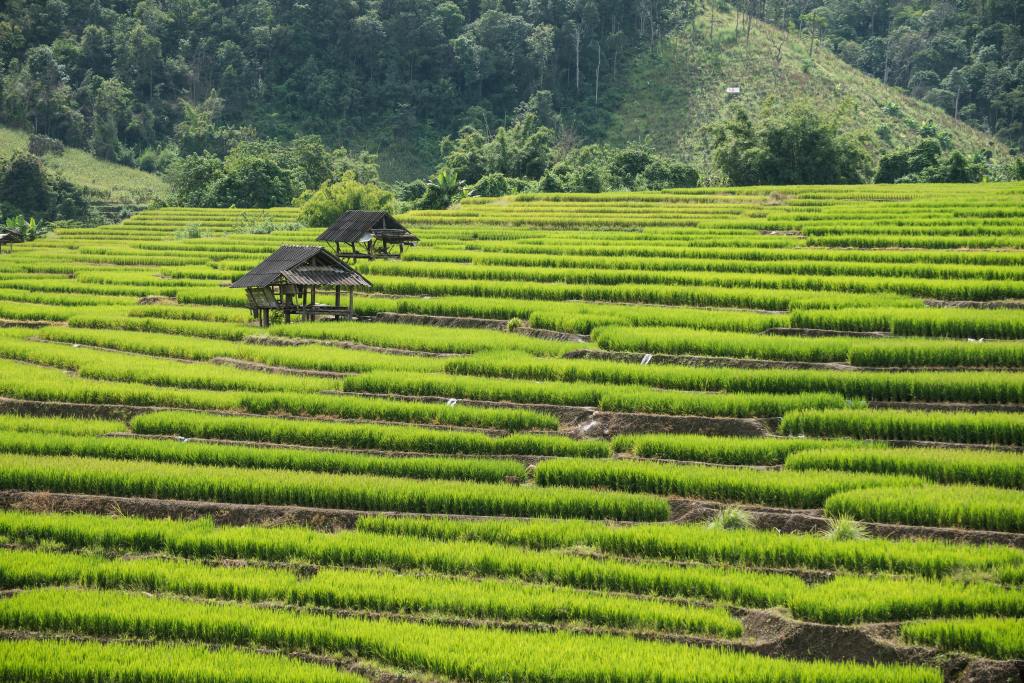
Located around 4 hours away from Hanoi by bus, Mai Chau is ideal as a less intrepid and time-consuming alternative to a week of riding along the meandering mountain roads of Ha Giang. The scenery is similar insofar as there are rice fields and varying contours in every direction. Still, leisurely cycling in the rice fields offers a welcome break from purring motorbike engines. It also provides greater exposure to the culture and lifestyles of some of Vietnam’s ethnic minorities. The White Thai and Hmong Ethic groups are particularly prevalent here, and many reside in stilt houses to mitigate the threat of floods and the interference of wild animals. However, the vicinity also provides hiking and kayaking for anyone who craves more excitement.
5. Moc Chau
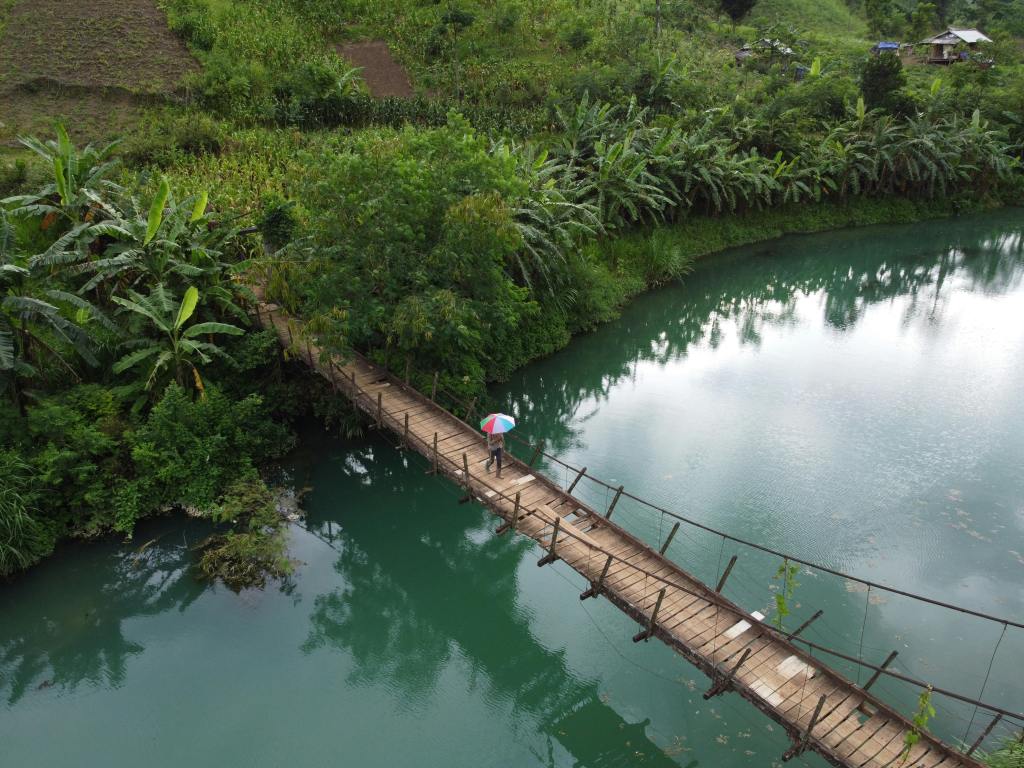
Attention all tea enthusiasts and horticulturalists! Here’s something that might interest you. Just an hour-and-a-half journey by bus from Mai Chau lies Moc Chau, a similarly ethnically diverse and picturesque destination. The key difference here is the prominent tea industry facilitated by roughly 3000 hectares of plantations, some offering tours and insights from locals and staggering snapshot opportunities. Aside from Tea, the flowering of white mustard flowers in the autumn, followed by peach and plum blossoms throughout the spring until early summertime, make Moc Chau an everchanging and ever-appealing spot for admirers of colourful flora and fauna.
6. Ta Xua
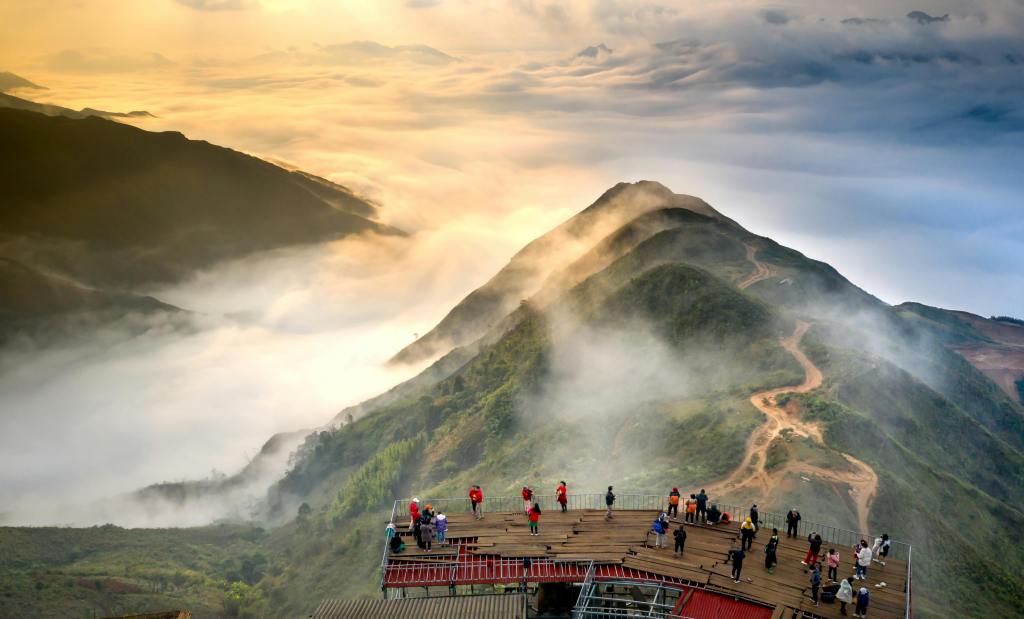
If people say you’ve got your head in the clouds when you talk about going to Ta Xua mountain range, they’re right. Here, the highest peak sits at 2,865 metres above sea level, alluring avid adventurers from all around. The peak protrudes from thick clouds at dawn and creates an atmosphere ordinarily only accessible to angels. Its heavenly ambience and remote setting make peace and serenity plentiful commodities. Culture-craving visitors can elongate their stay here in Hmong homestays.
7. Sa Pa
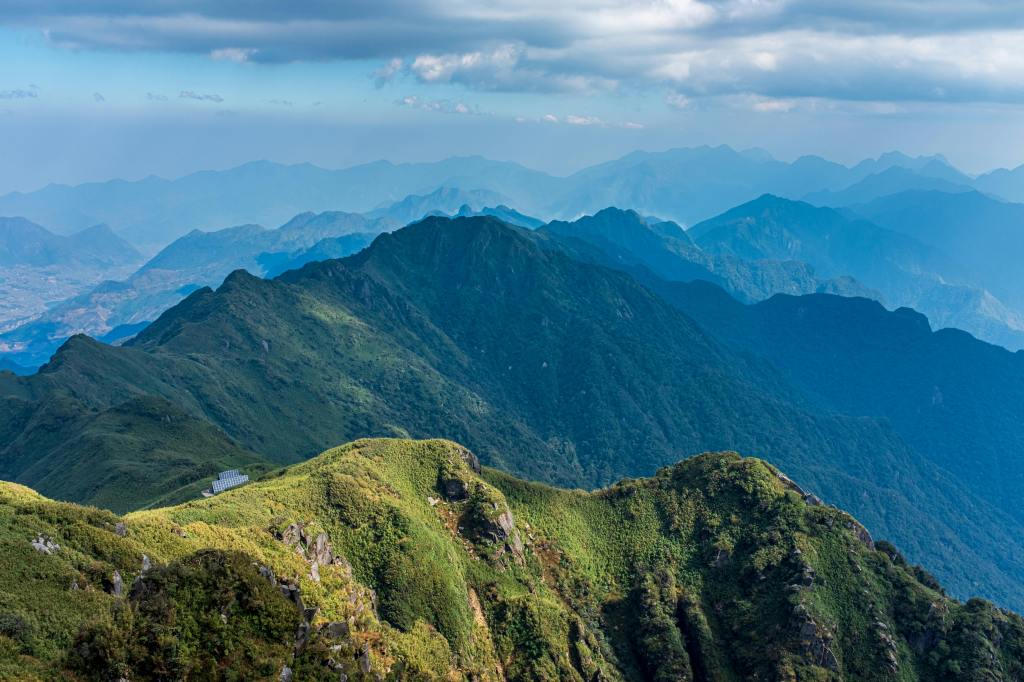
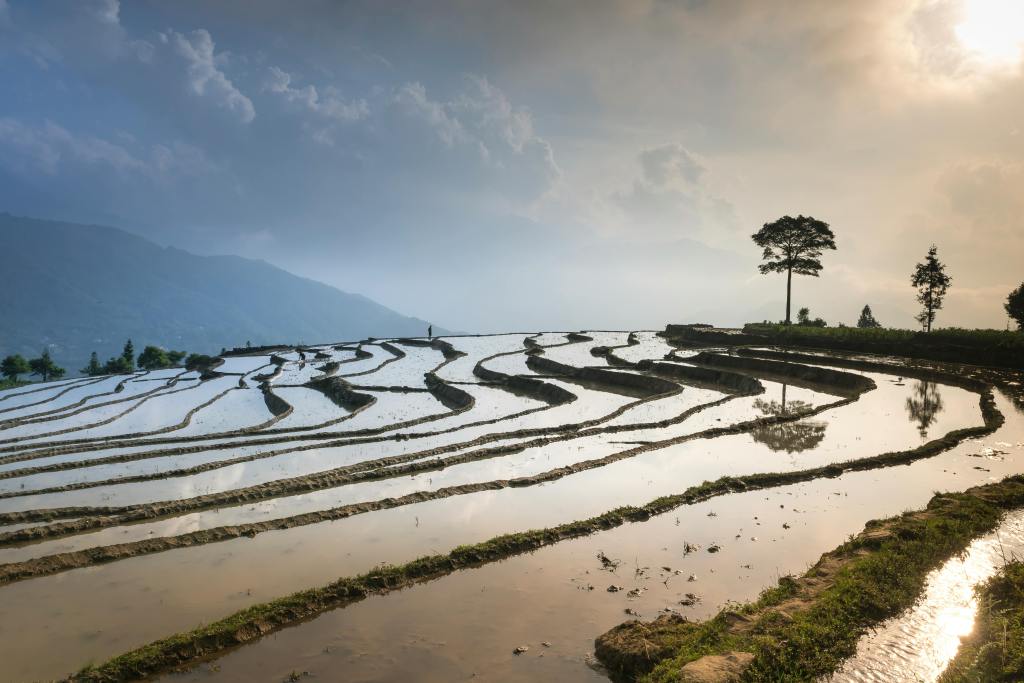
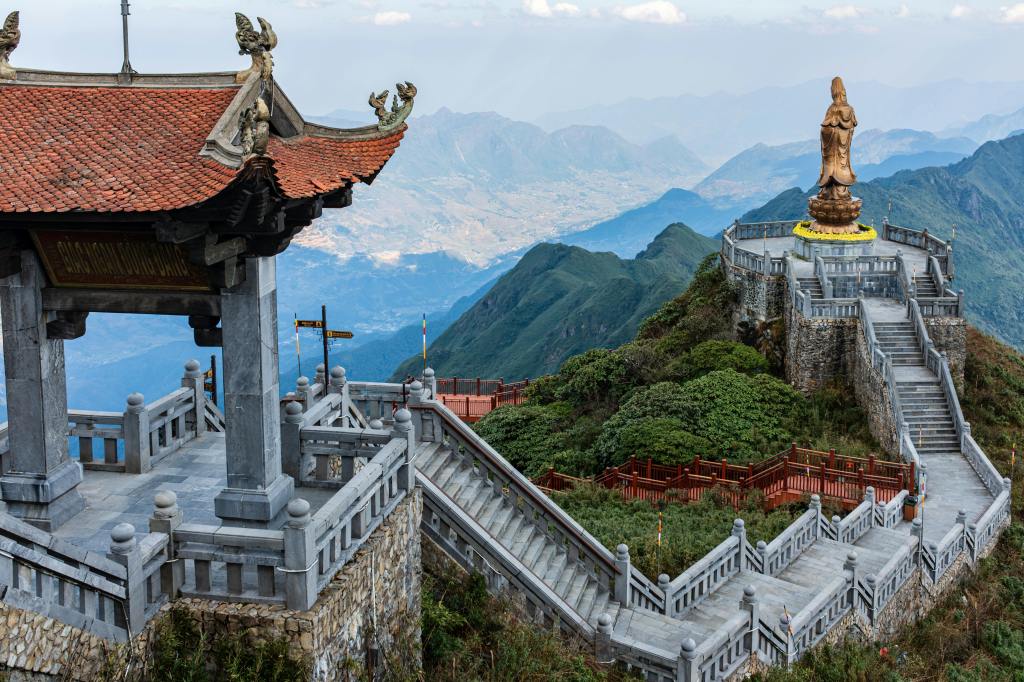
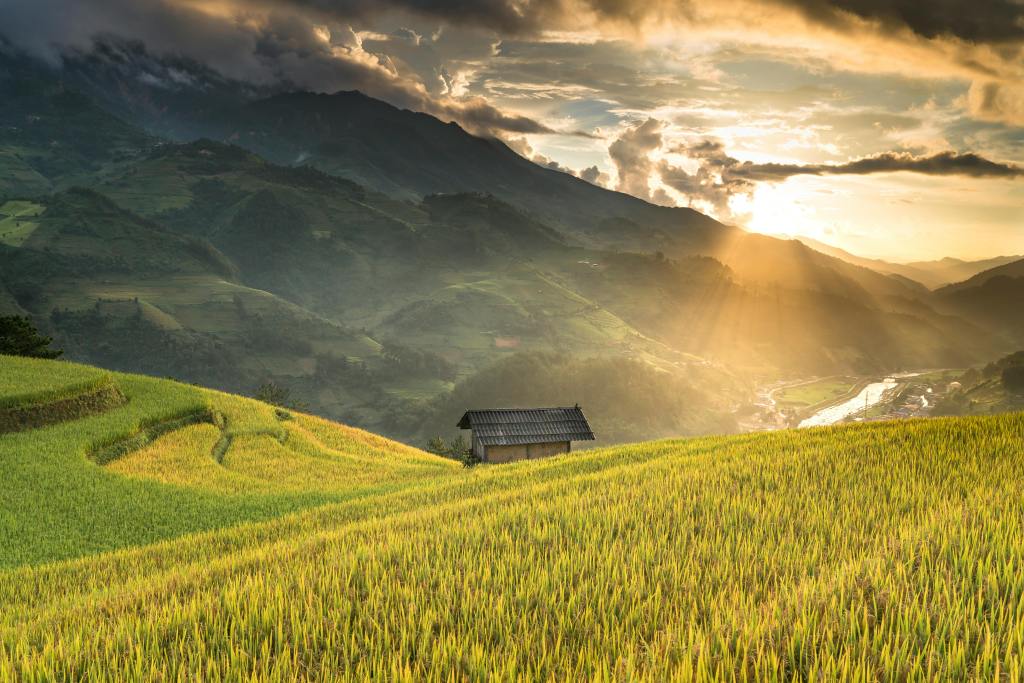
Nestled in the highlands just a short drive from the Chinese border, it is popular with locals and foreign tourists for its visually striking location in the Hoang Lien Son Mountain Range. Even more notably, it is just 8 kilometres from Vietnam’s tallest peak, Fansipan Mountain, standing at 3,142 metres above sea level.
So there you have it, folks. Here are seven of the best places to visit in the northern region of Vietnam. Stay tuned for more exciting travel ideas for central, southern, and western Vietnam.



 Earth Life Writer
Leave a reply to Nicole King Cancel reply